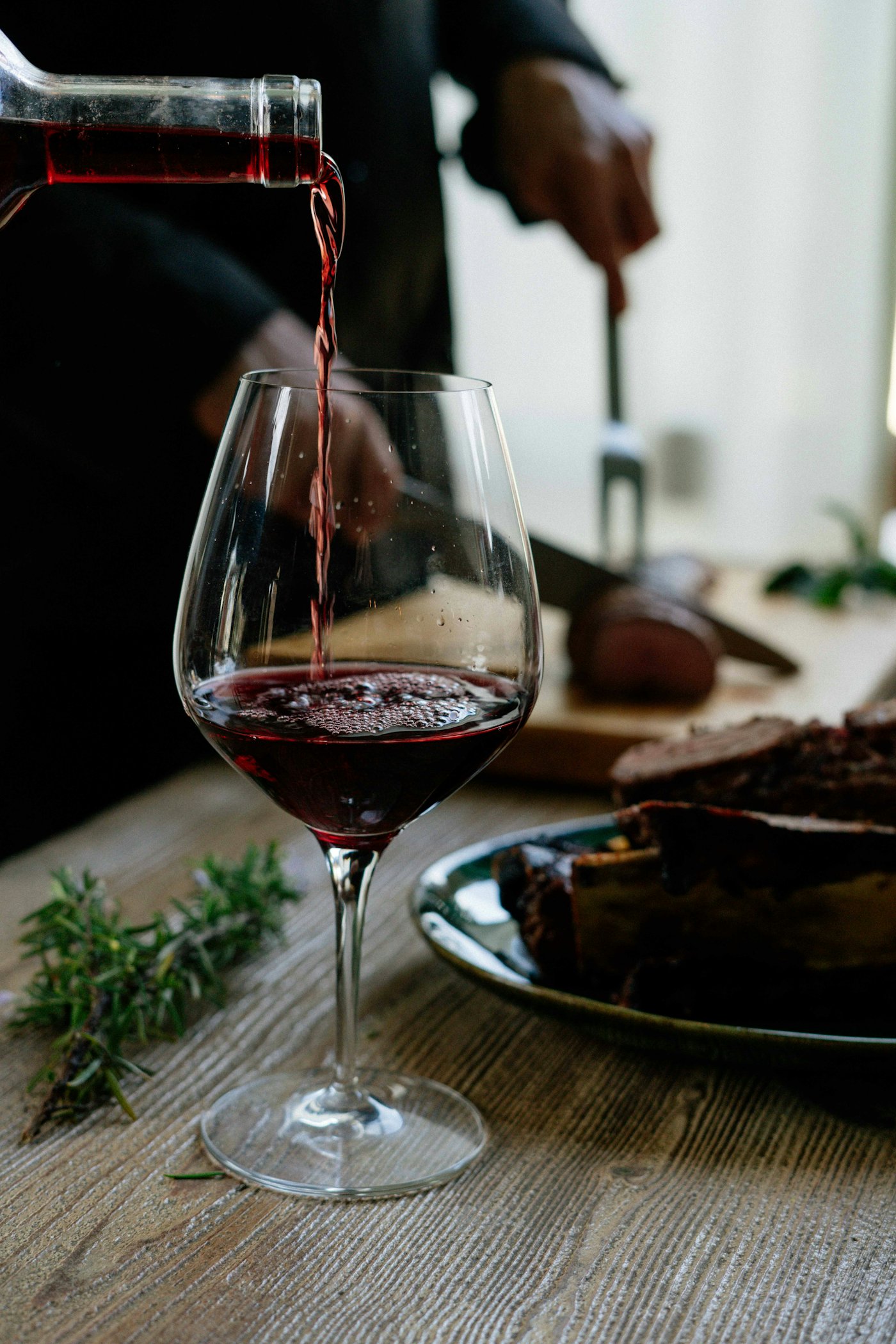
Mendoza private wine tours
Exclusive private sommelier tours with dedicated chauffeur in Luján de Cuyo and Uco Valley, including multi-course vineyard lunches.
Mendoza, the Uco Valley, Salta and Patagonia — how to visit, when to go, and which tours and tastings we would actually book ourselves.
The best wine tours in Argentina run through three regions — Mendoza, the Uco Valley and Salta — and Argentina is generous to wine travellers. Most wineries open their doors by appointment, lunches are long, and the country's main wine region — Mendoza — sits inside an hour of a small, walkable, easy-to-navigate city. You can land at the airport, eat a plate of empanadas and be in a vineyard by lunchtime.
The pages below collect the kind of trips worth taking. We focus on small-group and private experiences with the people who actually live the harvest. Bookings made through our partner links help support the journal — the price you pay is the same.
Most travelers spend two to three days touring Mendoza wineries, visiting just two or three a day with a long vineyard lunch. A shared small-group day tour with tastings and lunch typically runs USD 90–160; the best time to go is autumn (March–May) for harvest, or spring for quieter, cheaper visits.
Most-read guides: the best wineries in Mendoza, the high-altitude Uco Valley wineries, the best time to visit Mendoza, getting from Buenos Aires to Mendoza, and Argentina’s wine regions.
Exclusive private sommelier tours with dedicated chauffeur in Luján de Cuyo and Uco Valley, including multi-course vineyard lunches.
Bespoke private tours through the highest commercial vineyards in the world — Cafayate, Molinos, Colomé.
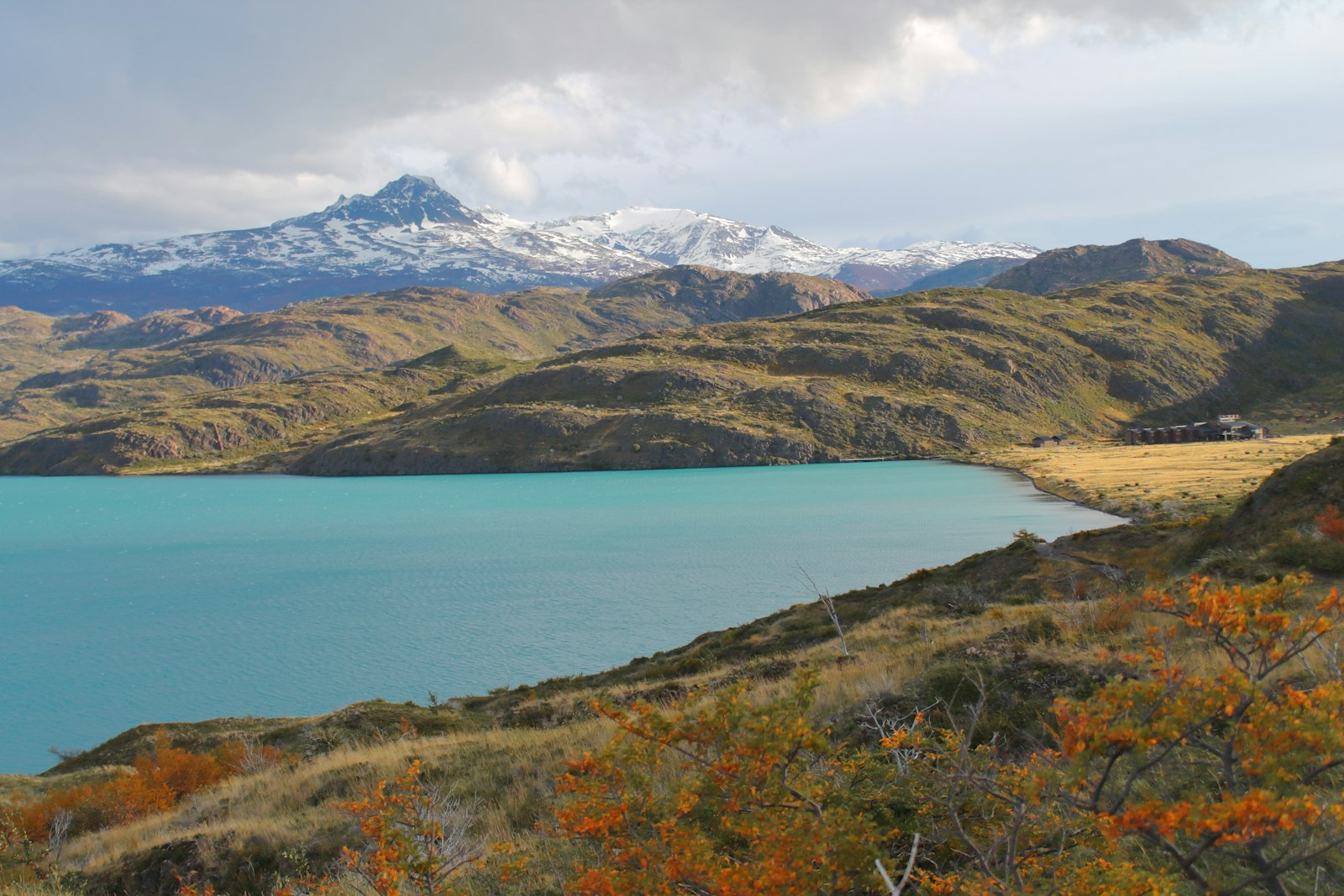
Private cellar door visits: Pinot Noir, old-vine Semillon, and artisanal tastings in the Río Negro valley.
Start here. The practical guides that make the difference between a good trip and a great one — when to come, how to get there, and which wineries to prioritise.
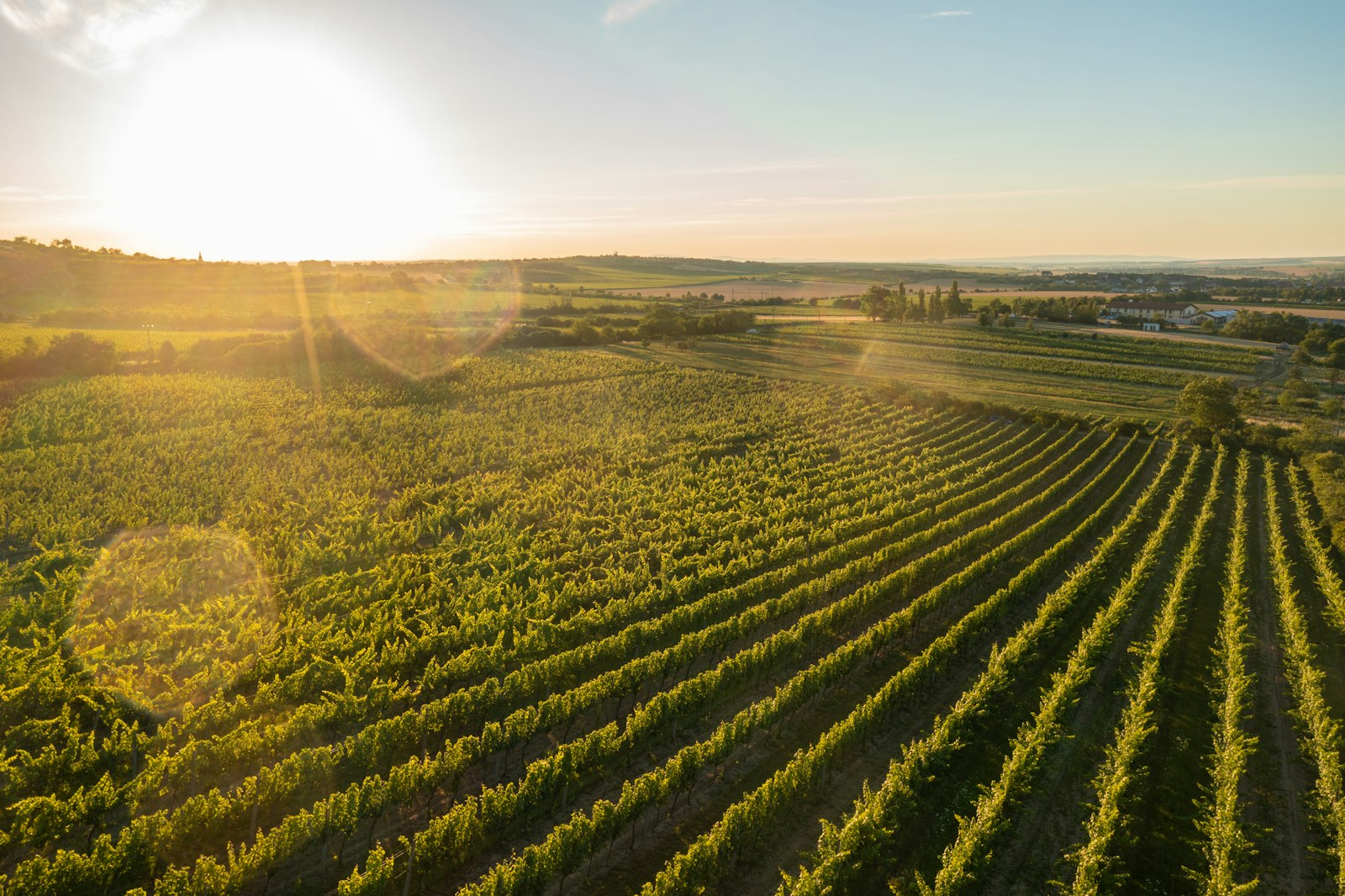
Harvest, shoulder season, summer and winter compared — month by month.
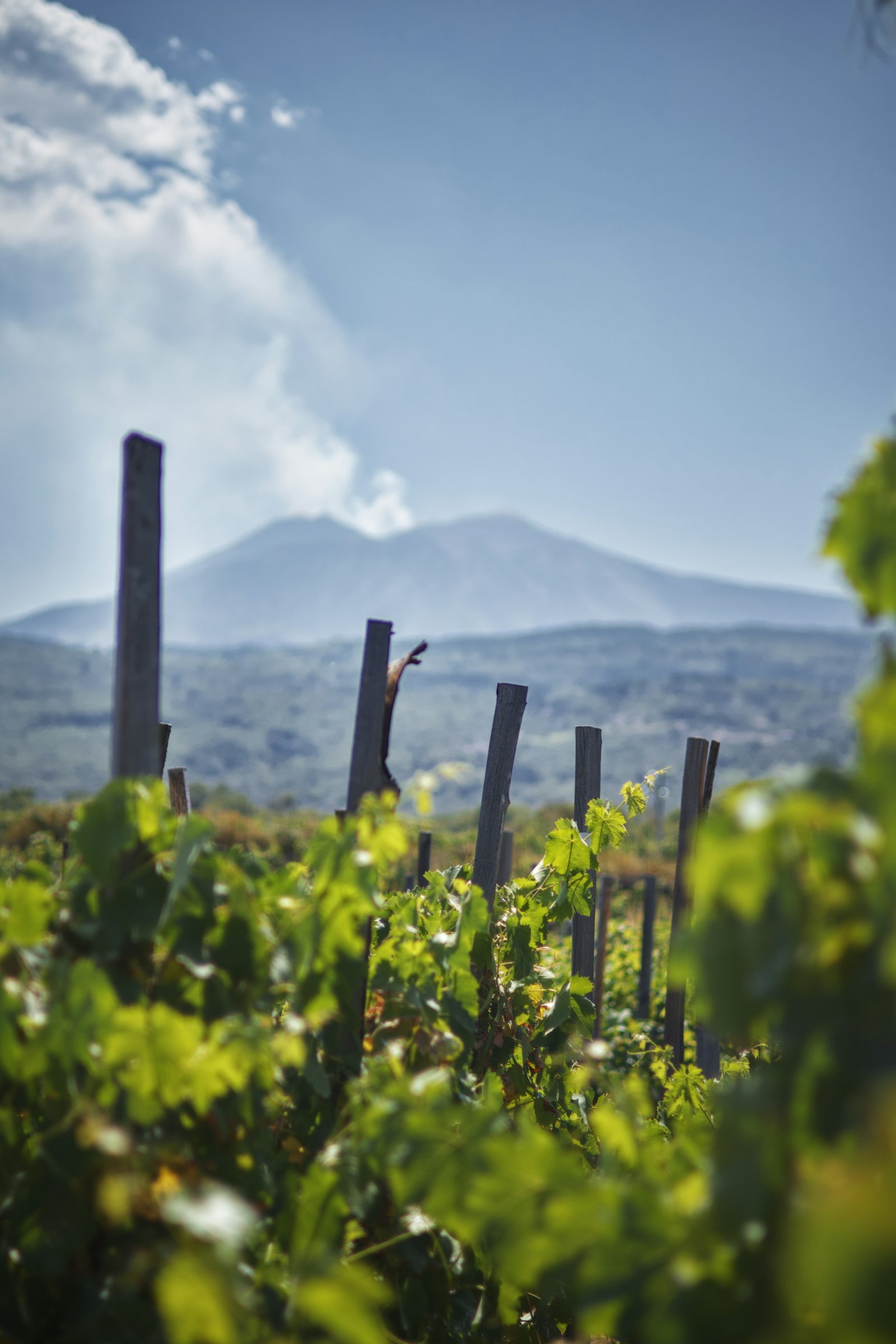
Flight vs overnight bus from Buenos Aires — the honest comparison.
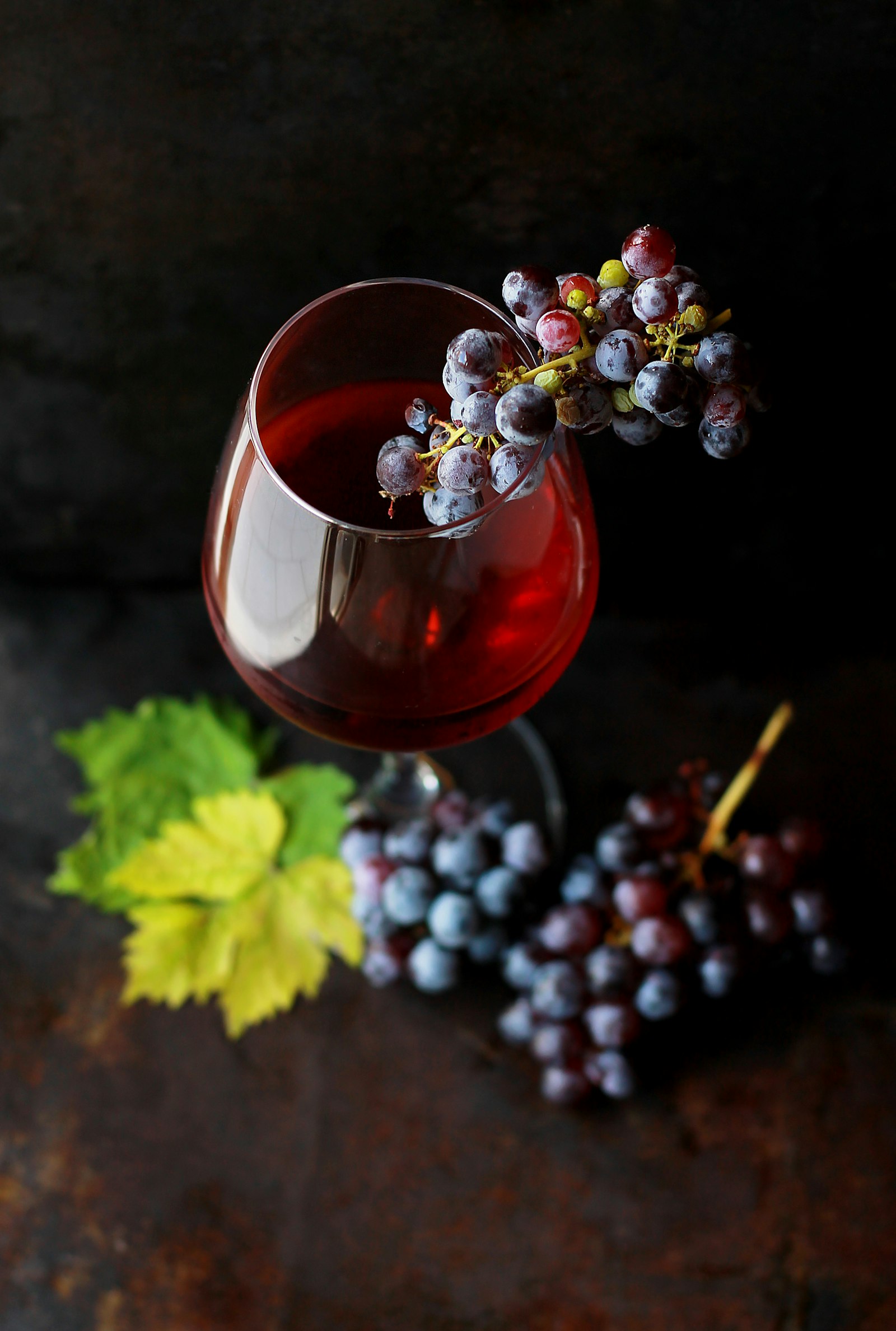
Catena, Zuccardi, Salentein and more — a first-timer’s shortlist by region.
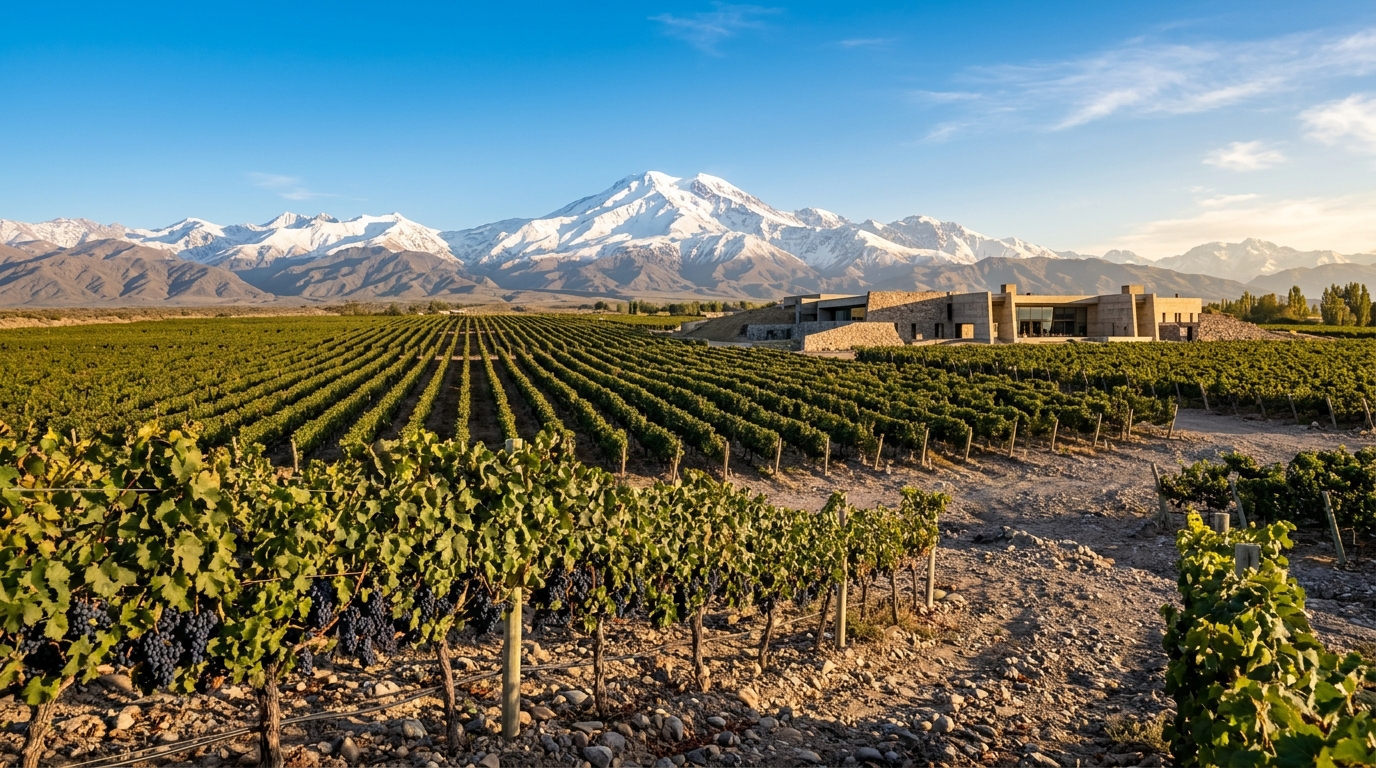
Sleep among the vines — private plunge pools, Andes views & Relais & Châteaux estancias.
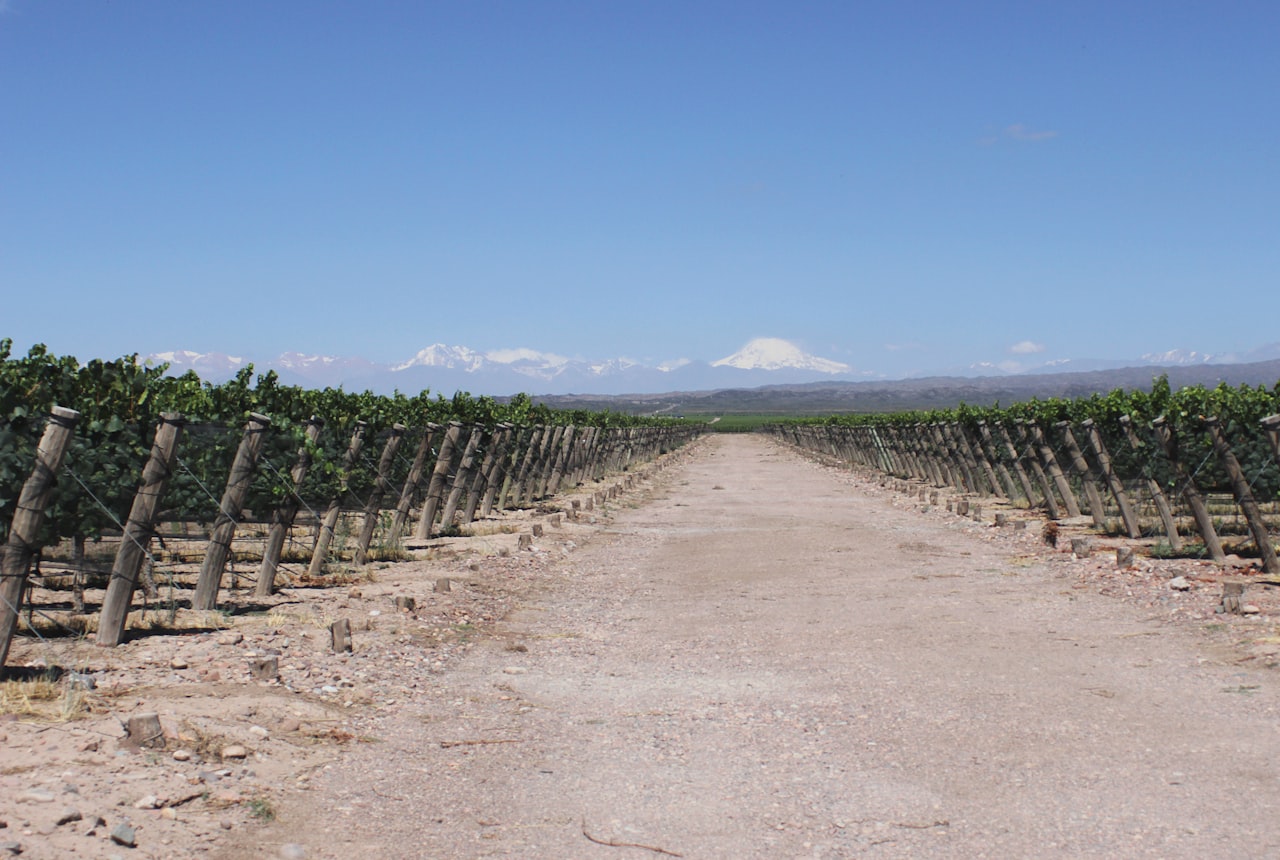
Catena, Zuccardi, Cheval des Andes — 7 iconic high-altitude estates redefining world luxury.
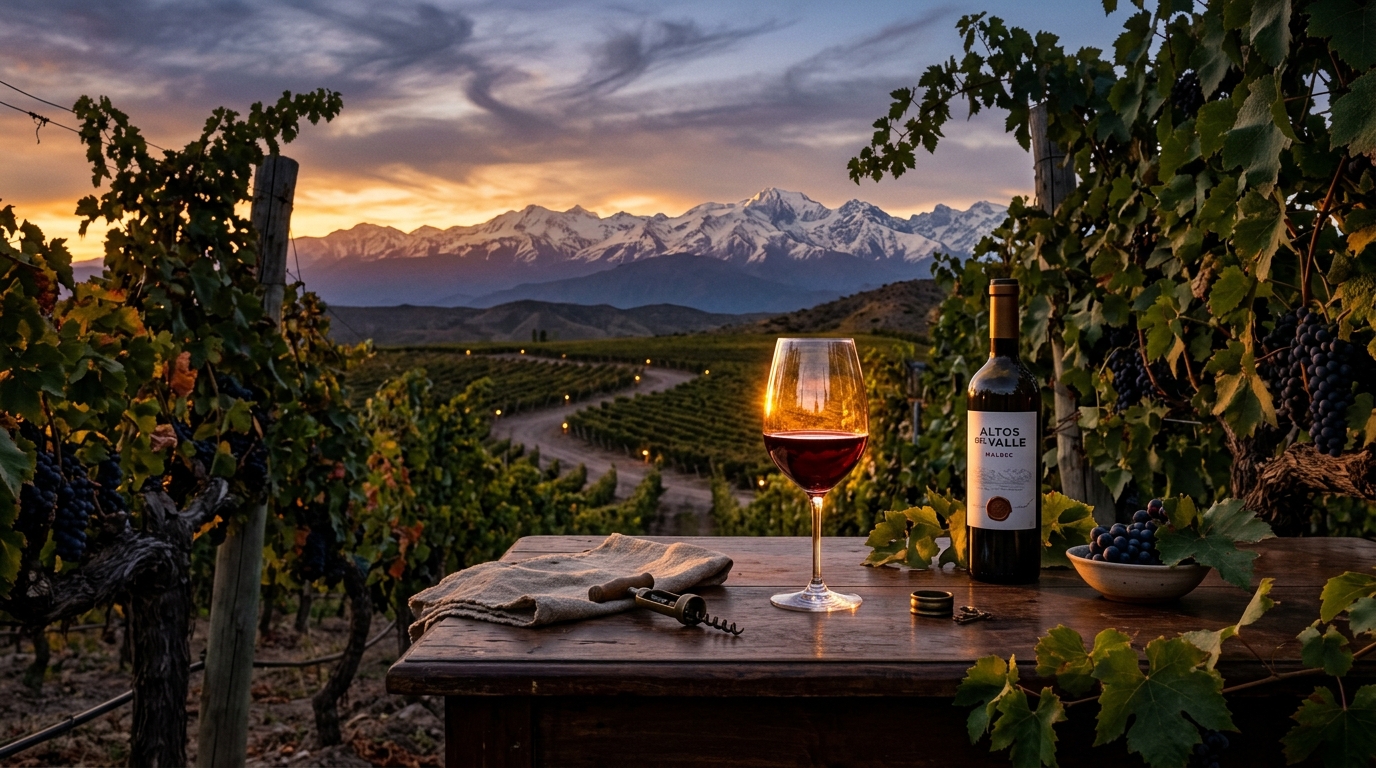
Old World romance vs high-altitude modernism — where to book your luxury wine estate.
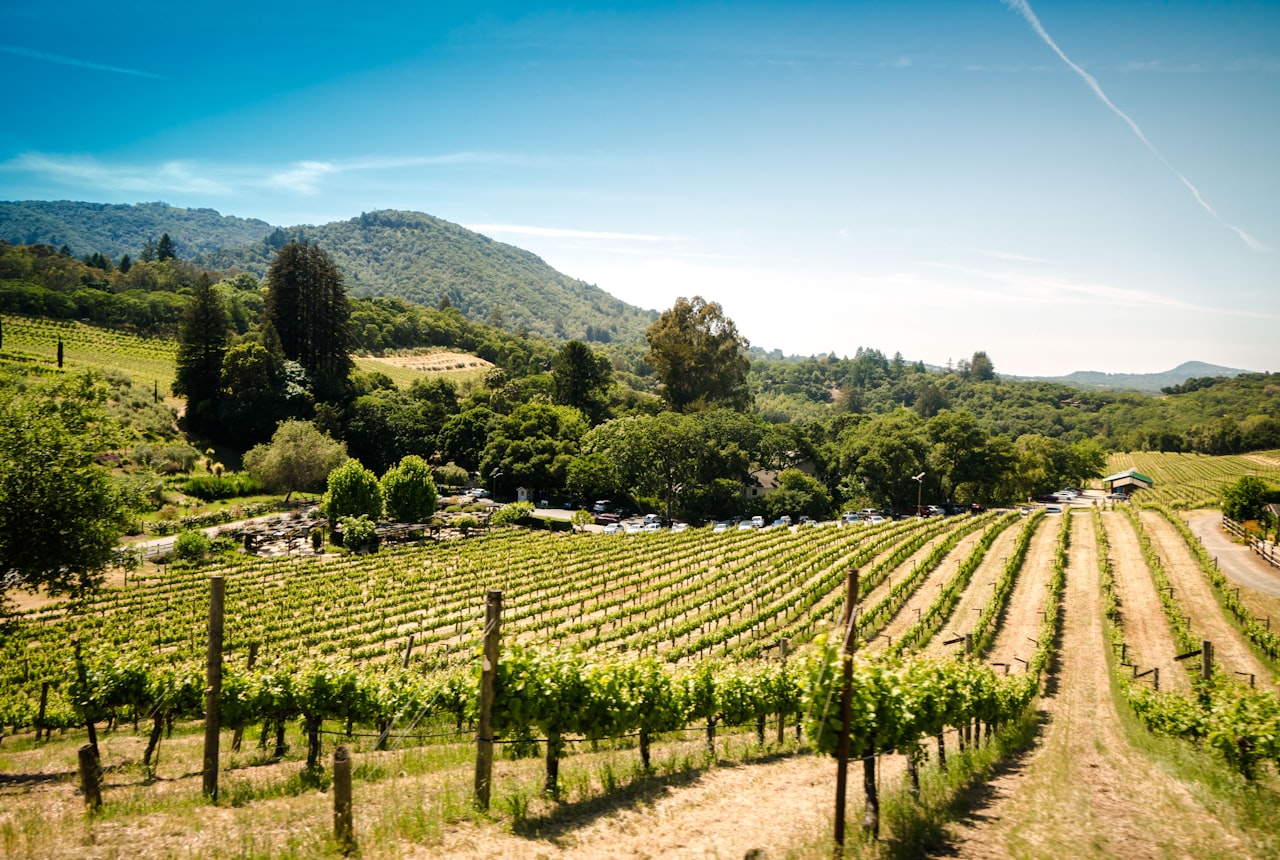
Colomé (3,111m), Yacochuya, El Esteco — the ultimate mountain wine road trip & tasting guide.
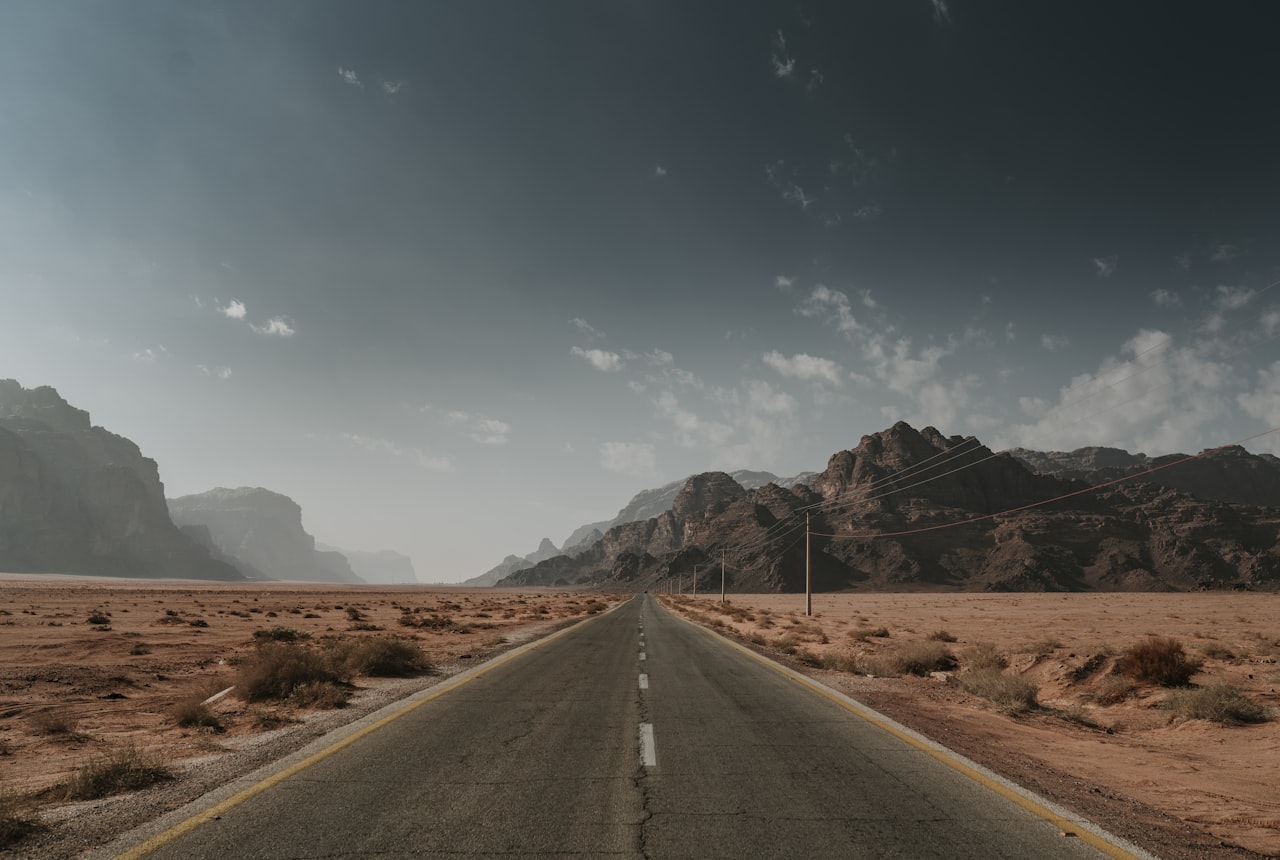
DiscoverCars comparison, SUV vs sedan for Uco Valley gravel, insurance & zero-alcohol laws.
The Vines, Cavas Wine Lodge, Casa de Uco — private plunge pools, Mallmann dining & Andes views.
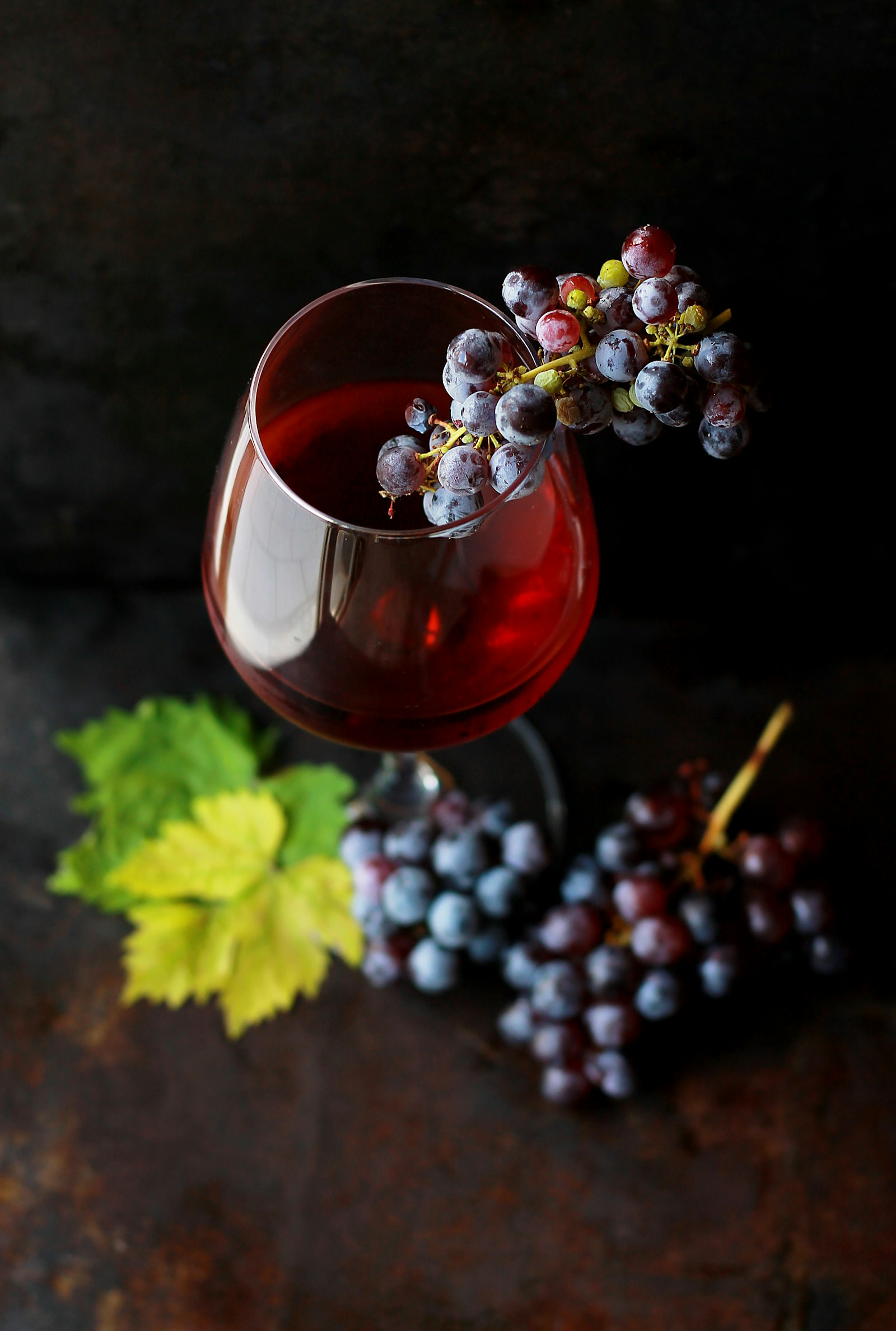
Buenos Aires, Mendoza, the Uco Valley and the high north — unhurried.
Curated high-ticket wine experiences ($320–$550+ USD): private luxury Mercedes/SUV chauffeur, personal bilingual sommelier, and multi-course chef pairing lunches at Mendoza's icon estates.
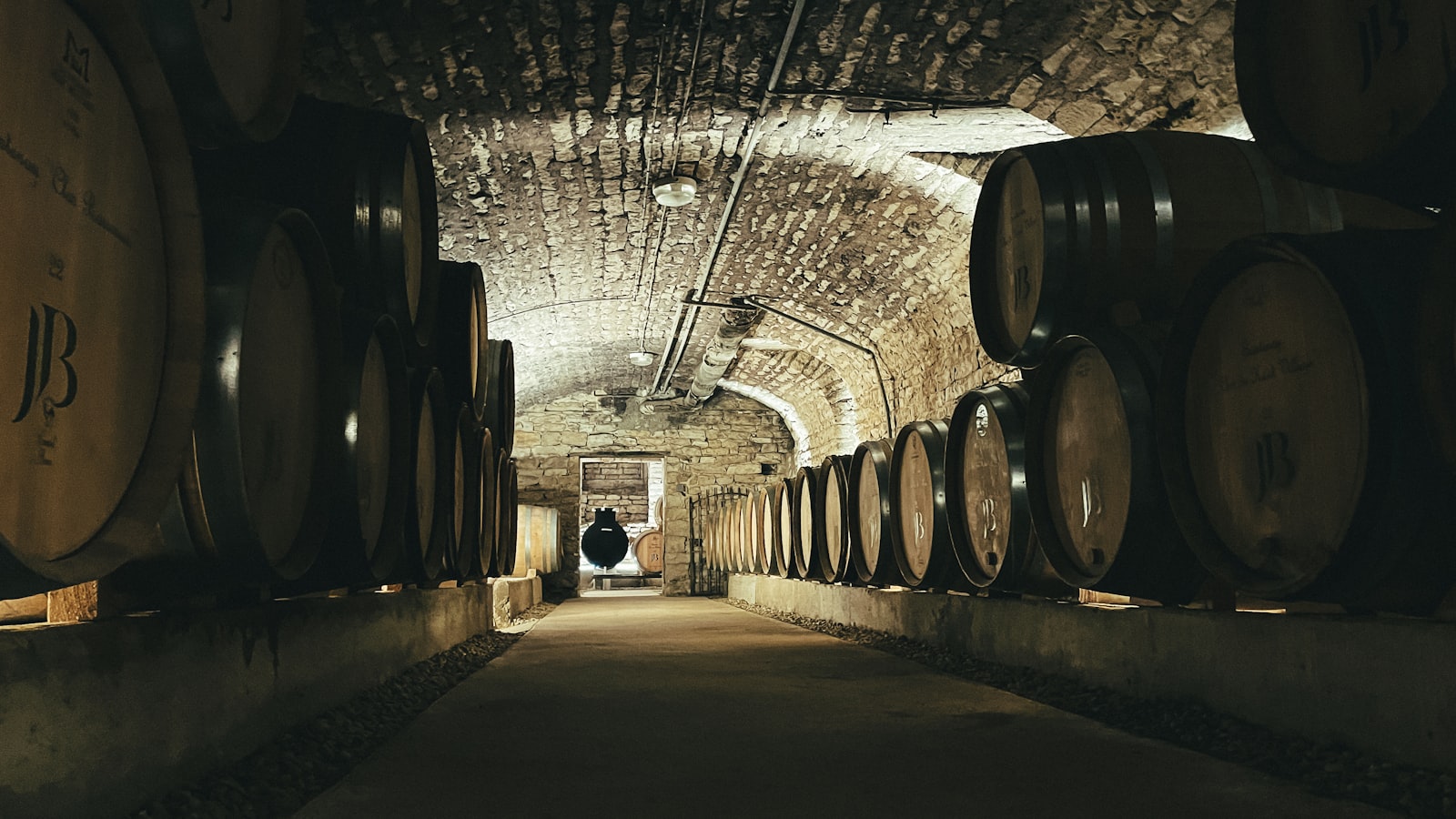
Exclusive private sommelier vehicle, rare barrel tastings at architectural icons (Zuccardi Piedra Infinita, Salentein), and Andes-view gourmet lunch.
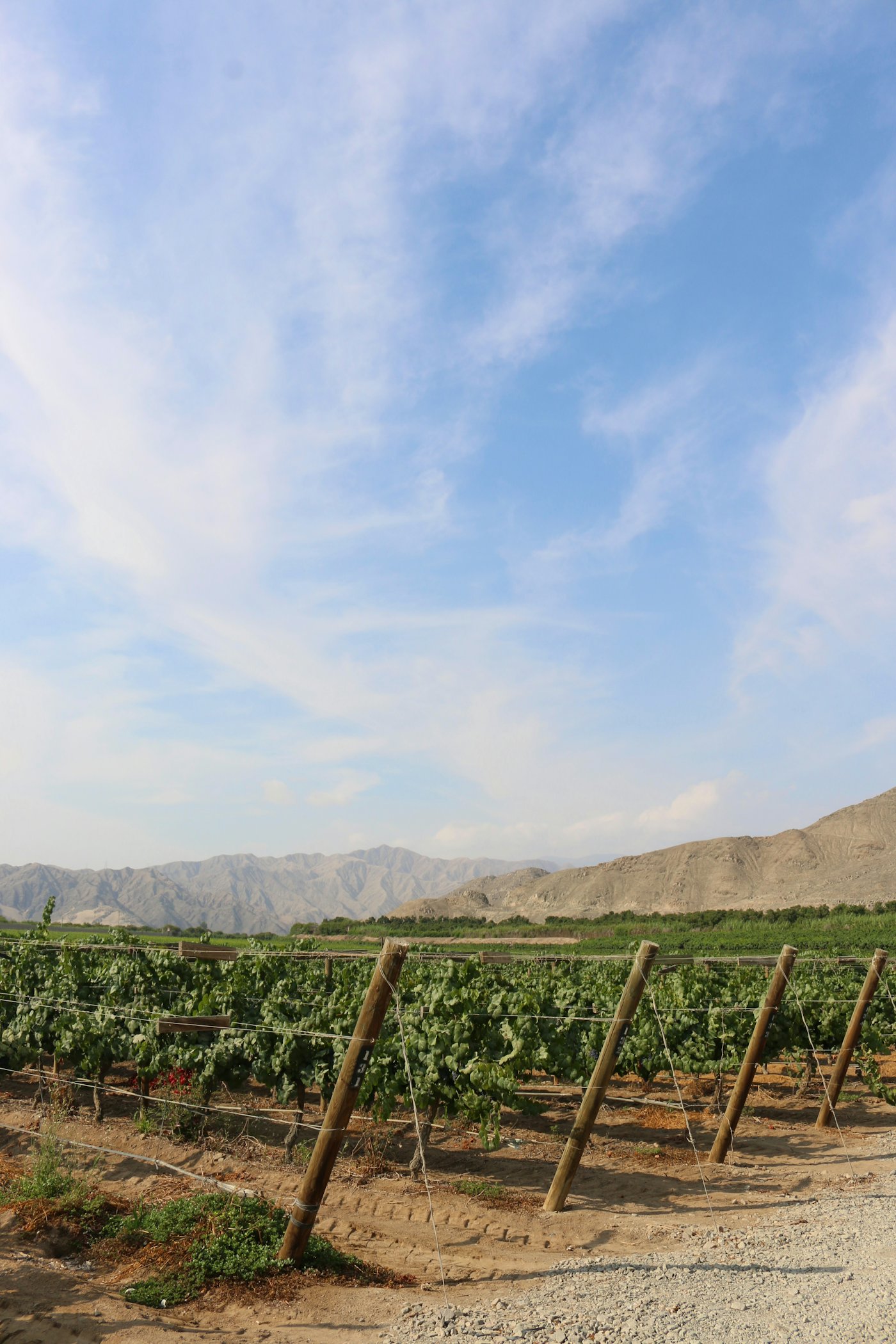
Century-old ungrafted vines, guaranteed reservations at Catena Zapata and Riccitelli, finished with a culinary feast at Casa Vigil / El Enemigo.
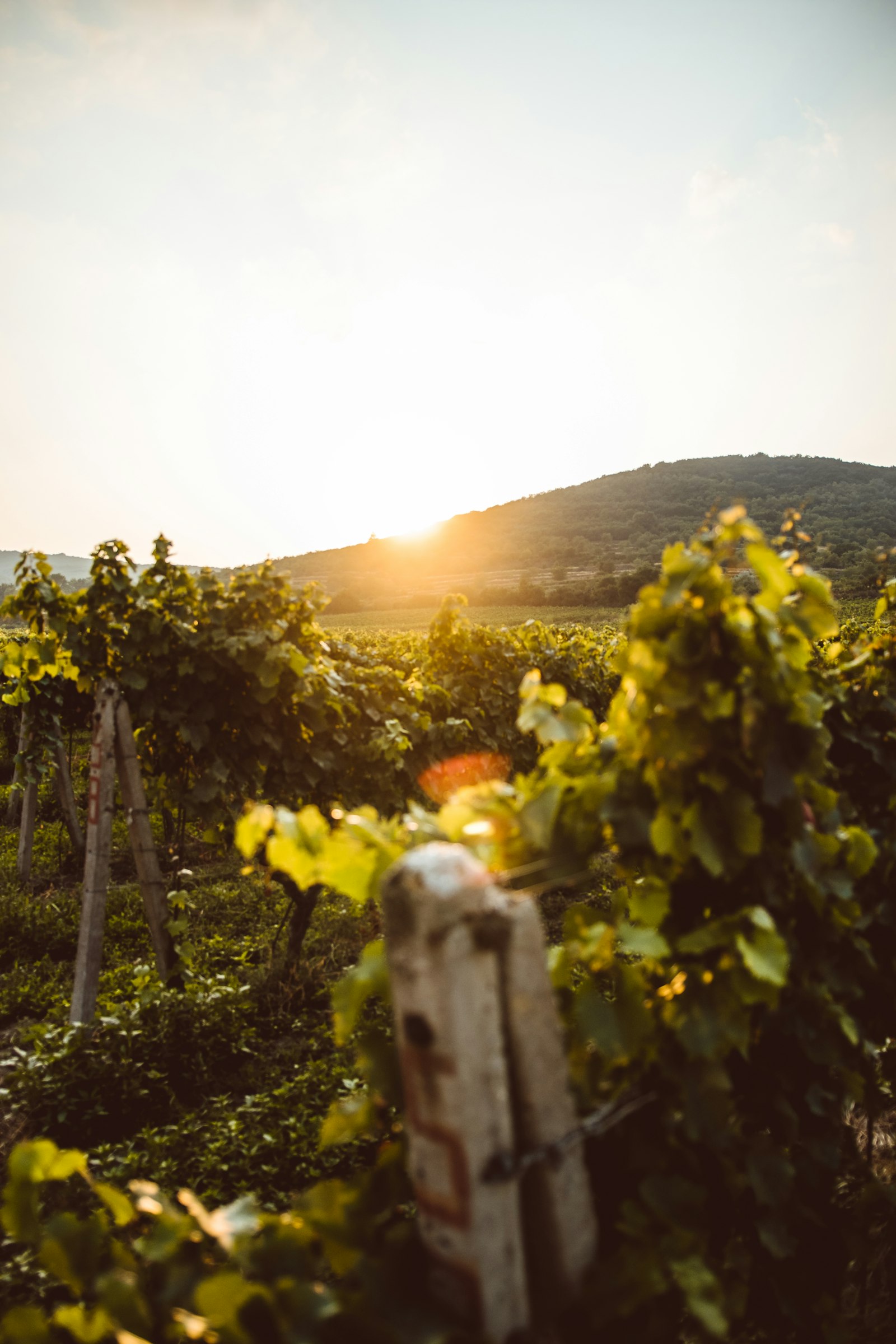
Three premier crus in Uco Valley, private chef-table pairing lunch with Andes mountain panoramas, and luxury Mercedes door-to-door lodge pickup.
We may earn a small commission on bookings made through our partner links — at no extra cost to you. Read our full disclosure.
Skip crowded bus schedules and reservation gatekeeping. Whether you require a dedicated bilingual sommelier-chauffeur on standby for 3 days, private helicopter transfers between Uco Valley lodges, or closed-door barrel tastings at iconic estates (Catena Zapata, Zuccardi, Cheval des Andes), our vetted luxury incoming partners handle 100% of the logistics.
Long-distance private transfers between Buenos Aires, Mendoza, and wine lodges with sightseeing stops along the route and fixed upfront rates.
Fly directly over the Andes into exclusive high-altitude estates for private library tastings, winemaker cellar access, and multi-course chef lunches.
Private luxury Mercedes pickup, guaranteed reservations at top architectural bodegas, and multi-course chef pairing lunch.
Planning for 2 to 10 guests? Inquire directly with our editorial sommelier concierge for tailored private cellar visits, helicopter coordination, and luxury vineyard villas.
March to May (autumn). Harvest season. Vineyards are at their most beautiful and the air is full of fermenting fruit. Wineries are busiest but also at their most alive. Book ahead.
September to November (spring). Cooler, quieter, the vines budding. A good time to taste with less crowd pressure and to combine wine country with the southern Patagonian thaw.
June to August (winter). Cold, sharp light, snow on the Andes. Very quiet. Some smaller wineries close, but those that stay open offer the most intimate visits of the year.
A shared small-group day tour with tastings and lunch typically runs USD 90–160 per person; private tours start around USD 200–300. Budget travelers can self-guide by bike in Maipú for under USD 40 including tasting fees.
March to May (autumn harvest) is the most atmospheric — the Vendimia festival is in early March. September to November (spring) is quieter and cheaper. Mendoza is sunny most of the year, so any season works for tasting.
Two full days is the sweet spot: one in Luján de Cuyo for the classic estates, one in the Uco Valley for the high-altitude showpieces. Add a third day for Maipú by bike if you have it.
Yes — most quality wineries require reservations, and the famous names (Catena Zapata, Zuccardi) book out weeks ahead. A guided tour handles all the bookings and transport for you.
Live rates and availability across Valle de Uco, Luján de Cuyo, and Mendoza City — stay among high-altitude vines.
Argentina's high-altitude vineyards, particularly in Mendoza's Uco Valley, receive intense sunlight and experience dramatic temperature shifts between day and night. This slows grape ripening, resulting in rich flavors, balanced acidity, and smooth tannins.
We recommend booking tastings at least 2-3 months in advance, especially for prestigious wineries. Focus on one sub-region per day (like Luján de Cuyo or Uco Valley) to minimize travel time and enjoy a relaxed pace.
Torrontés, Argentina's signature white wine, is highly aromatic with floral notes. It pairs beautifully with spicy Asian cuisine, fresh seafood, and traditional Argentine empanadas (especially those containing corn or cheese).