Valle de Uco: The Alpine Highs of Mendoza
At 900 to 1,500 metres, calcium-rich soils and extreme diurnal shifts shape Argentina's most electric, mineral, and ageworthy wines.
The Three Sub-Valleys: Tupungato, Tunuyán & San Carlos
Newcomers hear “Mendoza” as one place. Drinkers learn that the Uco Valley is actually composed of three distinct departments running south along the mountain foothills, each defined by elevation, soil drainage, and glacial history:
1. Tupungato (North — 1,100 to 1,600m)
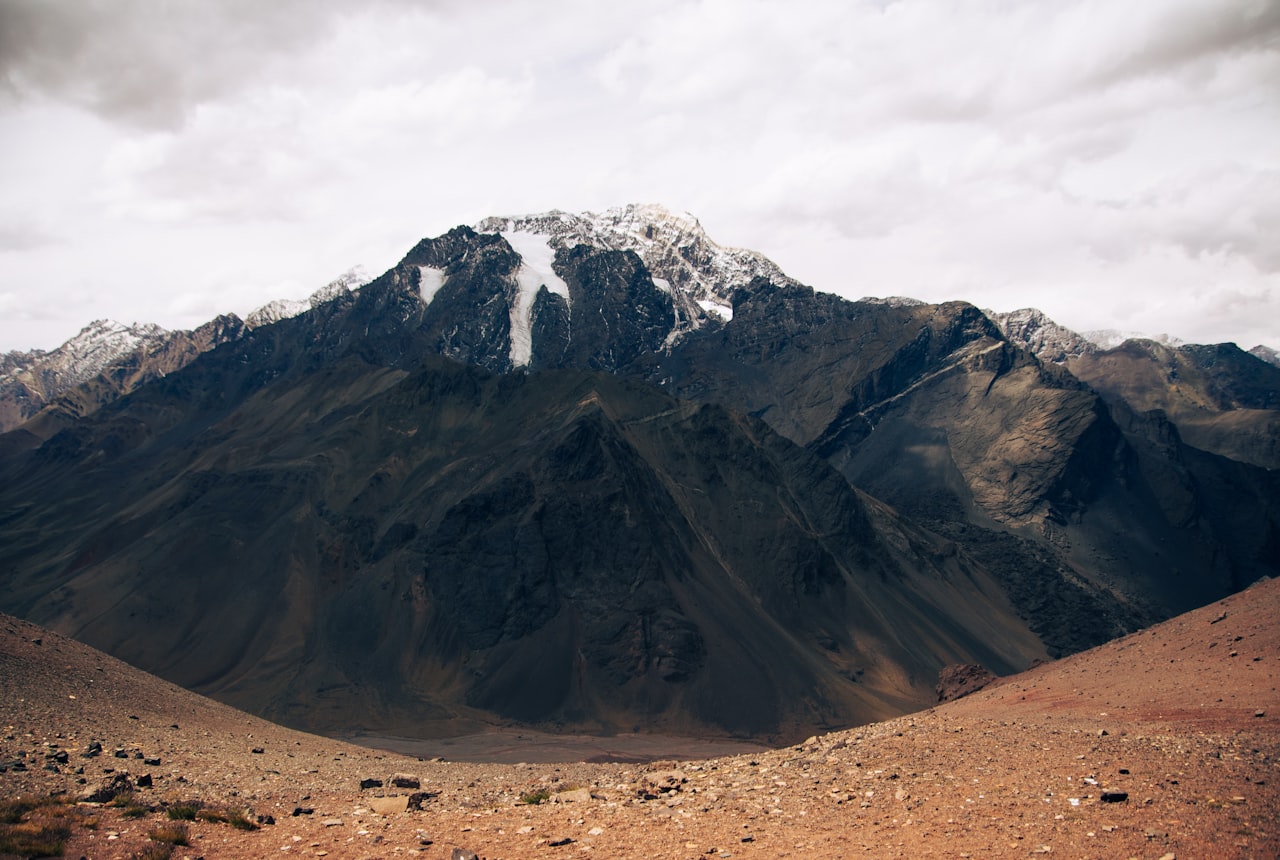
The highest and northernmost sector, shadowed by the towering extinct volcano Mount Tupungato (6,570m). Its most famous Geographic Indication is Gualtallary, where vines grow on steep slopes of pure sand, gravel, and chalky caliche. Nights are intensely cold, resulting in Malbec and Cabernet Franc of razor-sharp acidity, floral lift, and chalky grip, alongside Argentina's finest high-altitude Chardonnays.
Notable GIs: Gualtallary, El Peral, San José.
2. Tunuyán (Center — 1,000 to 1,350m)
The architectural and cultural heart of the modern valley. Centered around the Arroyo Grande riverbed, sub-regions like Los Chacayes and Vista Flores feature coarse alluvial soils strewn with massive volcanic boulders. Wines here showcase wild garrigue herbal notes (thyme, jarilla), dark blackberry fruit, and muscular, structured tannins that reward years of cellaring.
Notable GIs: Los Chacayes, Vista Flores, Los Árboles.
3. San Carlos (South — 900 to 1,250m)
The southernmost and most historic corner of the valley, home to century-old ungrafted vines as well as the crown jewel terroir: Paraje Altamira. Located on an alluvial fan created by the Tunuyán River, soils here feature rounded stones covered in a powdery white coating of calcium carbonate. Altamira Malbecs are globally revered for fine-grained mineral texture, pure violet aromas, and savory precision.
Notable GIs: Paraje Altamira, La Consulta, Eugenio Bustos.
Private Uco Valley Sommelier & Chauffeur Tour
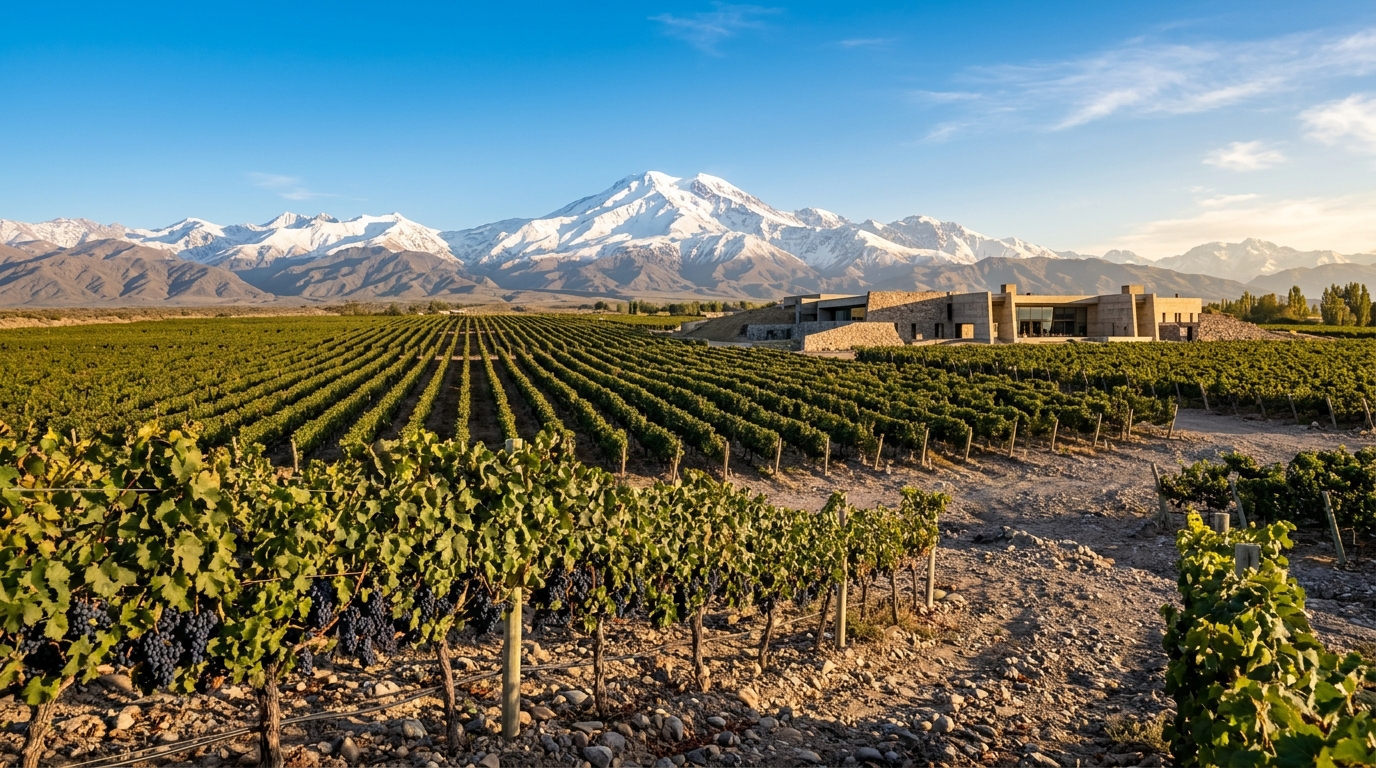
Visit premier high-altitude estates like Zuccardi Valle de Uco, Bodega Salentein, and SuperUco in a private luxury vehicle with an expert sommelier guide and multi-course wine-paired lunch.
Mendoza Valley Comparison Matrix
| Valley | The feel | Visiting | Known for |
|---|---|---|---|
| Maipú | Historic, easy-going | Easy — some walk-ins, bike tours | Warm, full-bodied reds; closest to the city |
| Luján de Cuyo | Classic, prestigious | Reserve ahead | Old-vine Malbec — the birthplace |
| Valle de Uco | New, high, premium | Reserve ahead; give it a full day | Elegance, ageing potential, the views |