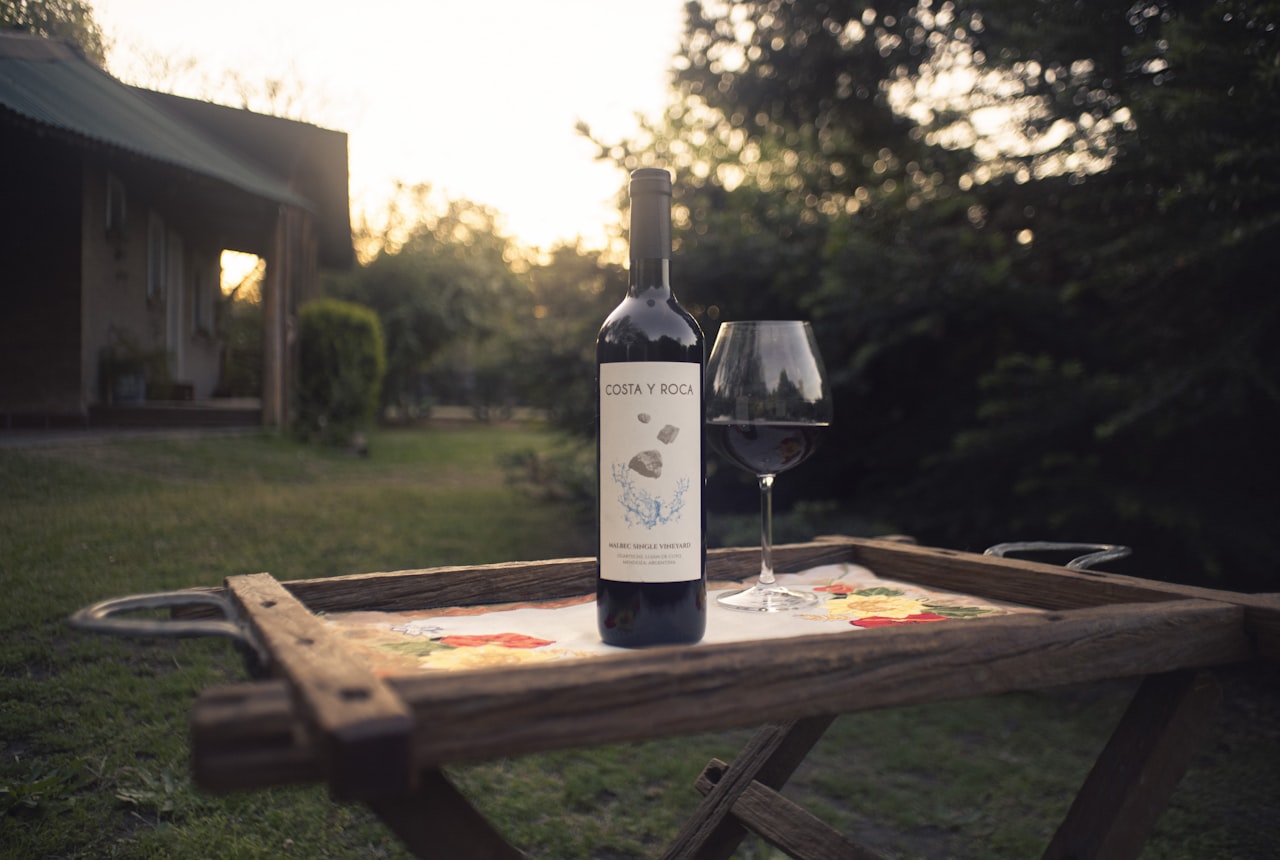
Bonarda: Argentina's best-kept red secret
Argentina's second most planted red grape — a juicy, low-tannin, great-value wine with a mistaken identity, quietly excellent while everyone fussed over Malbec.
Everyone arrives in Argentina for Malbec. Almost no one arrives for Bonarda — and that is exactly why it is worth your attention. It is the second most planted red grape in the entire country, it makes some of the best-value reds in any wine shop, and it carries one of the strangest identity stories in the wine world. Bonarda is the friend who has been quietly excellent all along while everyone fussed over their flashier sibling.
How to Serve & Taste Bonarda at Its Peak
Argentine Bonarda thrives on bright, crunchy dark fruit and moderate tannins. Pouring it slightly cellar-cool (15–16°C / 59–61°F) in a medium-bowl crystal glass maximizes its floral aromatics and vibrant, food-friendly finish.
Riedel Vinum Syrah / Medium Red Glasses
The tapered rim channels Bonarda's blackberry and violet aromatics directly to the palate, accentuating juiciness while smoothing subtle tannins.
Vacu Vin Vacuum Wine Saver Pump
Because unoaked Bonarda has gentle tannins, it oxidizes faster than Malbec. A vacuum seal preserves vibrant cherry notes for up to 10 days.
Lead-Free Crystal Wine Decanter
20–30 minutes of gentle aeration unlocks deep wild fig, pomegranate, and herbal notes in high-altitude Bonarda bottles.
As an Amazon Associate, Argentina Through Wine earns from qualifying purchases · Partner Tag: argwine20-20
🏆 Top 5 Argentine Bonarda Bottles & Vivino Community Ratings (2026)
Sommelier Picks- Colonia Las Liebres Bonarda (Altos Las Hormigas — Luján de Cuyo): The unoaked pioneer; pure fresh blackberry, violet florals, and crunchy fruit. ★ 4.0 Vivino · Find bottle on Vivino →
- Emma Zuccardi Bonarda (Valle de Uco): Concrete egg fermented benchmark from Sebastian Zuccardi; limestone chalkiness and dark cherry. ★ 4.3 Vivino · Find bottle on Vivino →
- Nieto Senetiner Bonarda Partida Limitada (Luján de Cuyo): Century-old ungrafted vines; plush blueberry, cocoa, and refined sweet spices. ★ 4.1 Vivino · Find bottle on Vivino →
- Matias Riccitelli 'The Party' Bonarda (Vistalba): Whole-cluster carbonic maceration explosion of fresh raspberry, herbs, and vibrant acidity. ★ 4.1 Vivino · Find bottle on Vivino →
- Paso a Paso Las Mulitas Bonarda (San Martín): Natural garage wine showing authentic low-intervention expression from old eastern pergola vines. ★ 4.0 Vivino · Find bottle on Vivino →
What's inside
01The underdog
Here's the telenovela twist: Argentina's quiet number-two red grape isn't even really "Bonarda" — and its true identity is a great story.
Read Step 1 →Style & taste
Pour a glass and the first thing you notice is the color: dense, saturated, purple-edged.
Read Step 2 →Pairings
Bonarda is one of the most food-friendly reds Argentina makes.
Read Step 3 →Value finds
Taste it where it's poured by the jug.
Read Step 4 →Taste or Tour: Two Ways to Experience Argentine Bonarda
Stock your cellar with Argentina's most delicious insider secret, or visit the historic pergolas of Mendoza's East Valley with an expert sommelier guide:
Quick answers
What is Bonarda wine?
Bonarda is a red wine grape that is the second most planted red variety in Argentina, after Malbec. It produces deeply coloured, fruity, medium-bodied reds with soft tannins and bright acidity, usually offering excellent value.
Is Argentine Bonarda the same as Italian Bonarda?
No. Despite the shared name, the grape Argentina calls Bonarda is actually Douce Noir (also called Corbeau) from the Savoie region of France — the same grape known as Charbono in California. DNA testing confirmed this around 2008, and the name “Bonarda Argentina” was adopted to distinguish it from the Italian variety.
How does Bonarda compare to Malbec?
Bonarda is generally lighter, juicier and lower in tannin than Malbec, with brighter acidity and more red- and dark-fruit character. It is typically less oak-driven and often better value, making it a very food-friendly everyday red.
What does Bonarda taste like?
Expect a deeply coloured wine with black cherry, blueberry, plum and fig fruit, violet florals and gentle spice. It is medium-bodied and smooth, with soft tannins and refreshing acidity, and most examples are unoaked.
What food pairs with Bonarda?
It is excellent with grilled and barbecued meats such as Argentine asado, brisket and burgers, as well as empanadas and tomato-based pasta. Its acidity and soft tannins handle smoke, char and fat very well.