Argentine Malbec vs French Malbec (Cahors)
The same grape, two very different wines. How sunny, velvety Mendoza Malbec compares to its inky, rustic French ancestor from Cahors — and which one belongs in your glass.
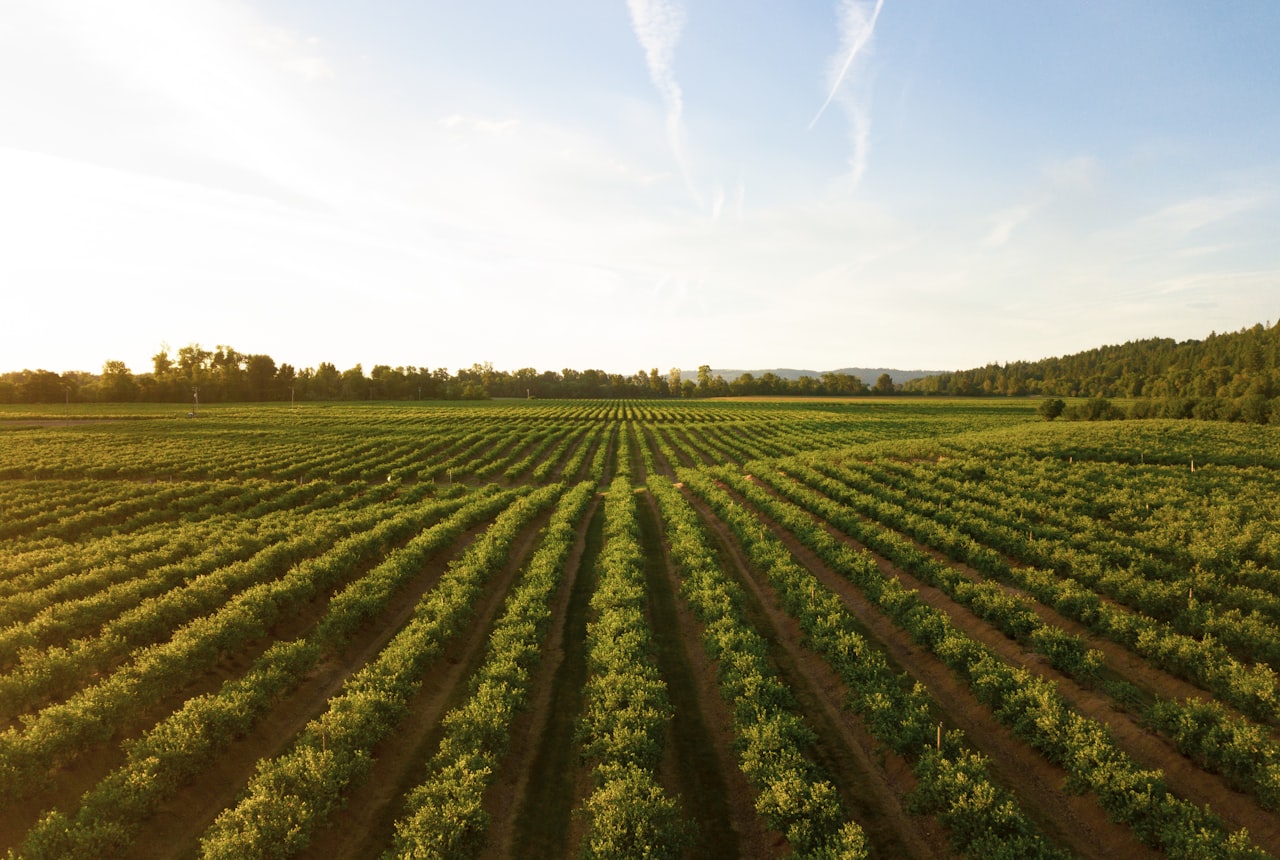
🇦🇷 Argentine Malbec (Mendoza & Uco Valley): Plush, velvety, and fruit-forward. Explodes with ripe blackberry, plum, and violet florals. Sun-drenched high altitude (900m–1,500m) produces sweet, supple tannins and lower perceived acidity.
🇫🇷 French Malbec (Cahors / Vin Noir): Lean, structured, earthy, and savory. Notes of tart black currant, dried herbs, leather, and tobacco with chalky tannins built on Jurassic limestone terraces.
🍽️ Food Pairing Verdict: Pour Argentine Malbec with flame-grilled ribeye (asado) and burgers; choose French Cahors for duck confit, cassoulet, and venison.
The Best Glassware for Tasting Argentine vs. French Malbec
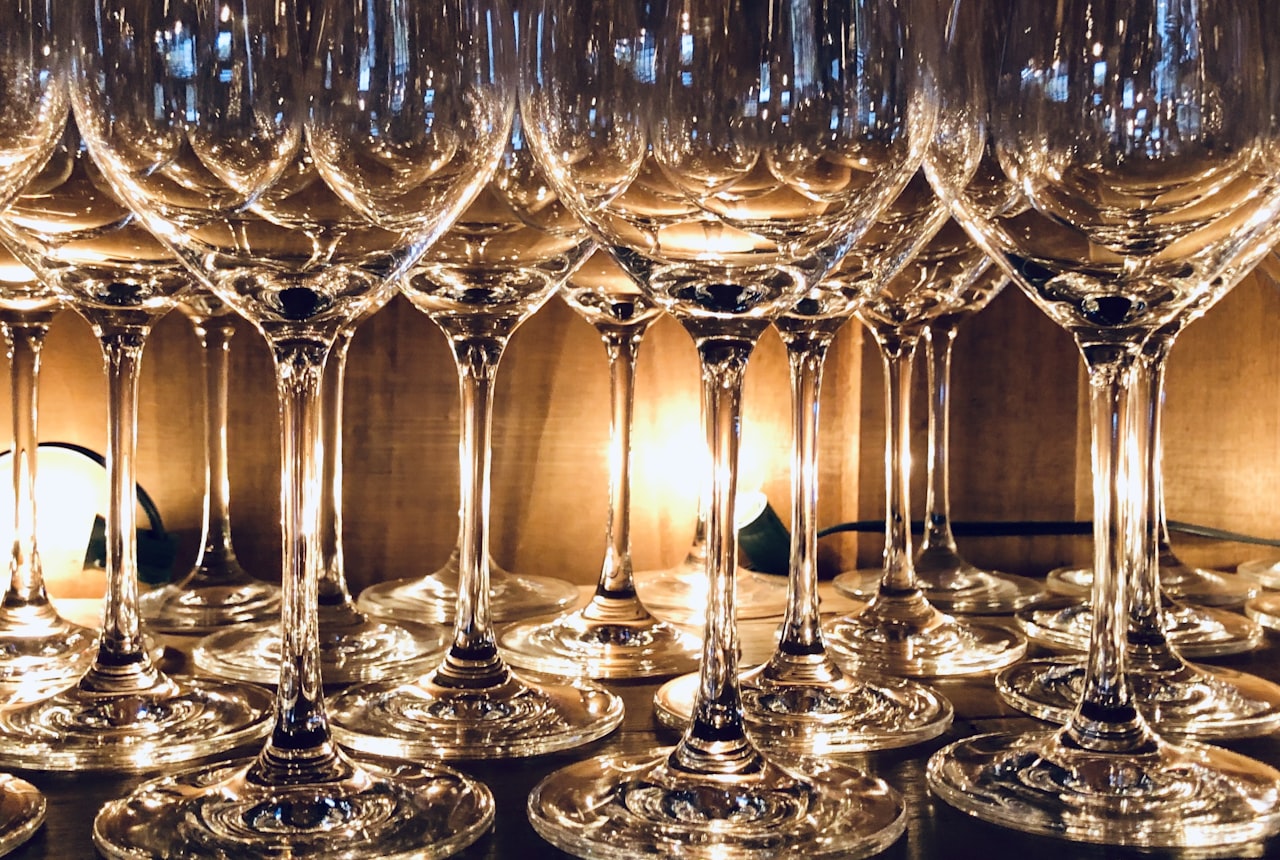
To truly appreciate the stylistic divide between rustic, earthy Cahors and lush, high-altitude Mendoza Malbec, side-by-side tasting in proper varietal crystal glassware makes all the difference.
Riedel Vinum Syrah/Malbec Crystal Glasses
The tapered rim focuses violet aromatics in Argentine Malbec and balances the firm tannins of French Cahors.
Lead-Free Crystal Wine Decanter
Essential for opening up structured French Cahors and releasing the floral bouquet of mountain Mendoza reds.
Coravin Timeless Wine Preservation System
Conduct comparison tastings glass by glass without opening whole bottles. Preserves natural taste for months.
As an Amazon Associate, Argentina Through Wine earns from qualifying purchases · Partner Tag: argwine20-20
Malbec is unusual among great wine grapes because it has two homelands — the country where it was born, and the country that made it famous. The grape's birthplace is Cahors, in southwestern France, where for centuries it made dark, rustic, age-worthy reds known locally as vin noir, “black wine.” Its current center of gravity, though, is on the other side of the Atlantic: Mendoza, in Argentina, where the same grape blossomed into the plush, fruit-driven, sun-kissed style the world now knows. Pour them side by side and you would barely guess they came from the same vine. Here is what's really going on.
Related reading: the full Argentine Malbec guide, and where to taste it at the best wineries in Mendoza.
Argentine Malbec vs. French Malbec at a Glance (2026 Guide)
While both share the exact same ampelographic grape clone (Côt), over 170 years of divergent selection, high-altitude Andean UV light, and contrasting winemaking philosophies have created two profoundly different glasses of wine:
| Feature | 🇦🇷 Argentine Malbec (Mendoza) | 🇫🇷 French Malbec (Cahors AOC) |
|---|---|---|
| Terroir & Climate | High altitude (900–1,500m), semi-arid desert, 300+ sunny days, pure melted Andean snowmelt. | River Lot valley gravels & limestone plateau (Causses), moderate oceanic rainfall. |
| Flavor Profile | Lush black cherry, ripe blackberry, plum, dark chocolate, and distinct floral violet perfume. | Tart blackcurrant, leather, forest floor, cedar, tobacco leaf, and chalky crushed-stone minerality. |
| Tannins & Body | Plush, round, sweet, velvety tannins; full-bodied yet remarkably silky and approachable young. | Firm, rustic, astringent, chalky tannins; medium-to-full body with pronounced, refreshing acidity. |
| Alcohol & Oak | Higher (14.0% – 15.0%); balanced with French/American oak adding vanilla, mocha, and toast. | Moderate (12.5% – 13.5%); traditionally aged in large neutral oak foudres or stainless steel. |
| Best Food Pairing | Argentine Asado, flame-grilled ribeye (ojo de bife), smash burgers, empanadas, aged Gouda. | Duck confit, cassoulet, venison, roasted lamb shanks, black truffles, Roquefort cheese. |
| When to Drink | Irresistible upon release; iconic high-altitude reserves age gracefully for 10–20 years. | Usually demands 3–5 years in bottle to mellow; traditional crus can age for 20–30 years. |
What's inside
01Two worlds
A useful number, first.
Read Step 1 →Style comparison
Same grape, two terroirs, two cultures — and three very different things in the glass. Here's why they taste worlds apart.
Read Step 2 →Food pairings
Brought from France in 1853, Malbec became Argentina's own — and it pairs quite differently from its Cahors cousin.
Read Step 3 →Which is better?
Neither wins outright: casual asado, burgers and pizza love Mendoza Malbec; classic French dishes suit Cahors. It depends on the night.
Read Step 4 →Quick answers
What's the difference between Argentine Malbec and French Malbec?
They're the same grape but very different wines. French Malbec from Cahors is darker, more tannic, earthier and savory — built on cool oceanic climate and limestone soils. Argentine Malbec from Mendoza is plusher, fruitier and rounder, shaped by high altitude, sun and dry mountain soils.
Where does Malbec originally come from?
From Cahors in southwestern France, where it has been grown for centuries and was traditionally called vin noir, "black wine," for its deep color. The grape arrived in Argentina in 1853 and quickly found its true home in the high vineyards of Mendoza.
How much Malbec is grown in each country?
Argentina has by far the most — over 45,000 hectares, around 70% of the world's plantings — while France has roughly 6,800 hectares, most of it in Cahors. Argentina is now Malbec's center of gravity.
Which Malbec is better — French or Argentine?
Neither is better; they're different. Argentine Malbec is plusher, fruitier and more immediately approachable. French Cahors is more structured, savory and traditional. Choose Argentine for casual meals and friendly drinking, and Cahors for slow-cooked, hearty food or a more austere style.
Are Argentine and French Malbec genetically the same?
They are the same variety but with measurable differences between clones. Studies have shown Argentine Malbec tends to have smaller berries than its French counterpart, which concentrates color and flavor. More than 150 years of separate selection in Argentina has pushed it in its own direction.
French Malbec vs Argentina Malbec: Which should you buy?
Choose Argentine Malbec (Mendoza) if you love lush, fruit-forward wines with plush velvety tannins, sweet blackberry notes, and immediate drinkability—perfect with flame-grilled steak, asado, or burgers. Choose French Malbec (Cahors) if you prefer Old World structure, savory earthiness, firm chalky tannins, and tart black fruit—ideal for duck confit, cassoulet, and rustic game meats.
Taste the Comparison at Home or Visit Mendoza
Curate your own side-by-side tasting of high-altitude Argentine Malbec and French Cahors delivered to your door, or experience the terroir in person:
As an Amazon Associate I earn from qualifying purchases.