Mendoza: where the Andes make wine
A field guide to Argentina's wine heartland — what grows here, why the altitude changes everything, and how to walk the vines yourself.
There is a moment, driving west out of Mendoza city, when the vineyards begin and the Andes stop being scenery and start being the point. The vines run in low green rows toward a wall of rock that still has snow on it in March, and you understand, before anyone explains it, that the mountains are not the backdrop to the wine here. They are the wine.
Mendoza makes around 70% of all the wine in Argentina, across roughly 146,000 hectares of high desert. That scale could feel industrial. It doesn't. It feels like a frontier that happens to be very good at one thing.
Mendoza wine at a glance
Mendoza is Argentina's wine capital, sitting 600–1,500 m above sea level at the foot of the Andes. Its signature grape is Malbec, and its three key sub-regions are Maipú (historic, affordable, bike-friendly), Luján de Cuyo (the classic estates near the city) and the high-altitude Uco Valley (the dramatic, cutting-edge showpieces). It's sunny and dry almost year-round, and the wine country begins less than an hour from a small, walkable city.
Plan a visit: the best wineries in Mendoza, the Uco Valley, the best time to go, and all wine tours in Argentina.
What's inside
01Where & why it matters
Most wine regions talk about soil and rain. In Mendoza the altitude matters more than the grape — here's why.
Read Step 1 →Luján de Cuyo
Luján de Cuyo, the birthplace: this is where Argentine Malbec first became truly Argentine. The classic estates near the city.
Read Step 2 →Valle de Uco
Newcomers hear "Mendoza" as one place — but the high, dramatic Uco Valley is a world of its own, and the current showpiece.
Read Step 3 →Maipú
Let someone else drive.
Read Step 4 →Planning your visit
Mendoza has more than 1,500 wineries and the most developed wine-tourism infrastructure in South America.
Read Step 5 →15 Best Wineries in Mendoza (2026): Top Tastings, Maps & Tour Booking
Catena Zapata, Zuccardi, Salentein, El Enemigo and secret boutique estates. Discover which cellars offer the best vineyard lunches, how to book tastings in advance ($45–$250), and how to organize seamless full-day winery transport.
Book a Mendoza wine tour
Hand-picked trips from our partner platforms — the easiest way to actually get among the vines.
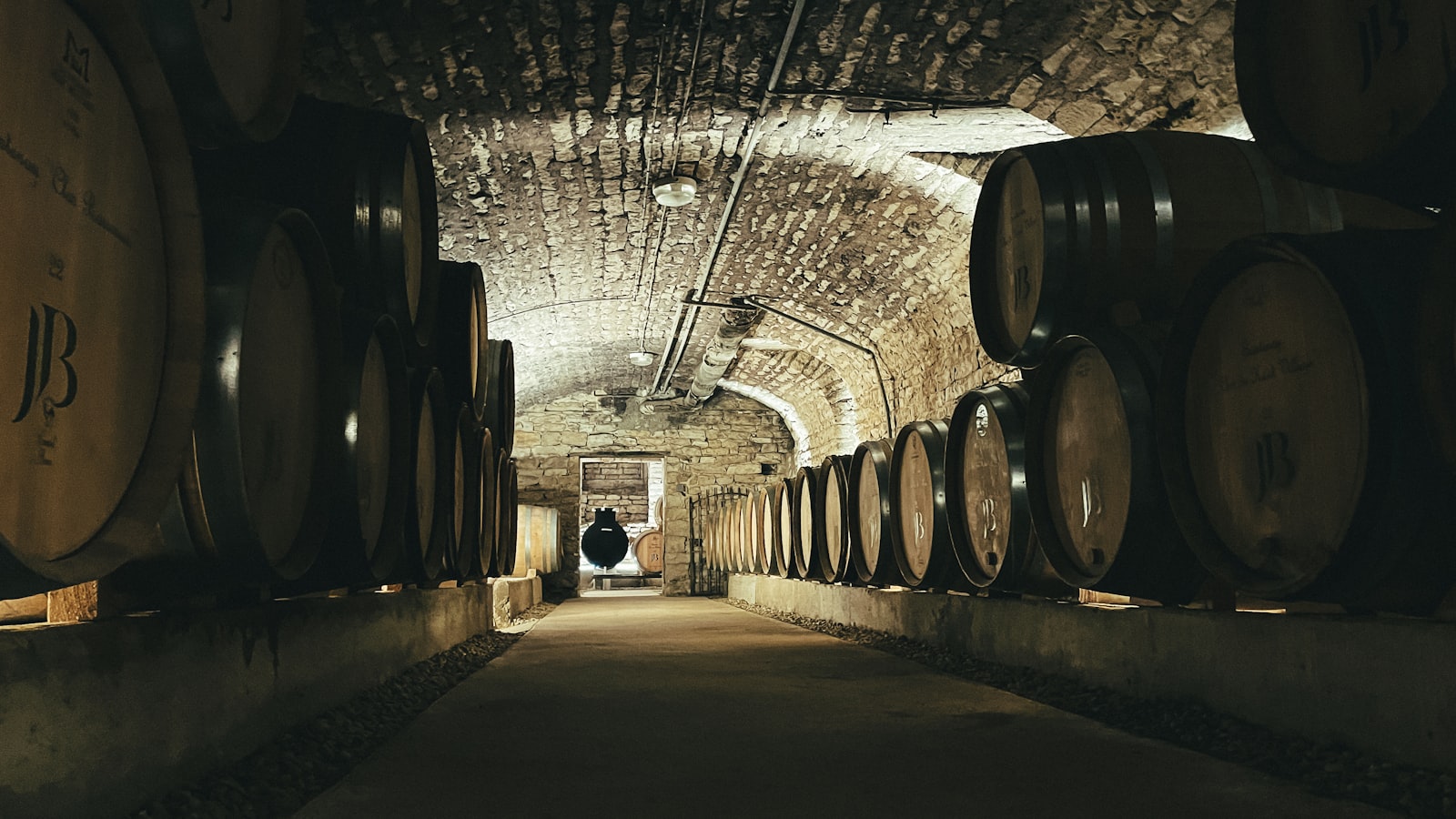
Mendoza: Half-Day Wine Tour with Tastings
Two wineries, an afternoon — the easiest first taste of Mendoza. From $41.
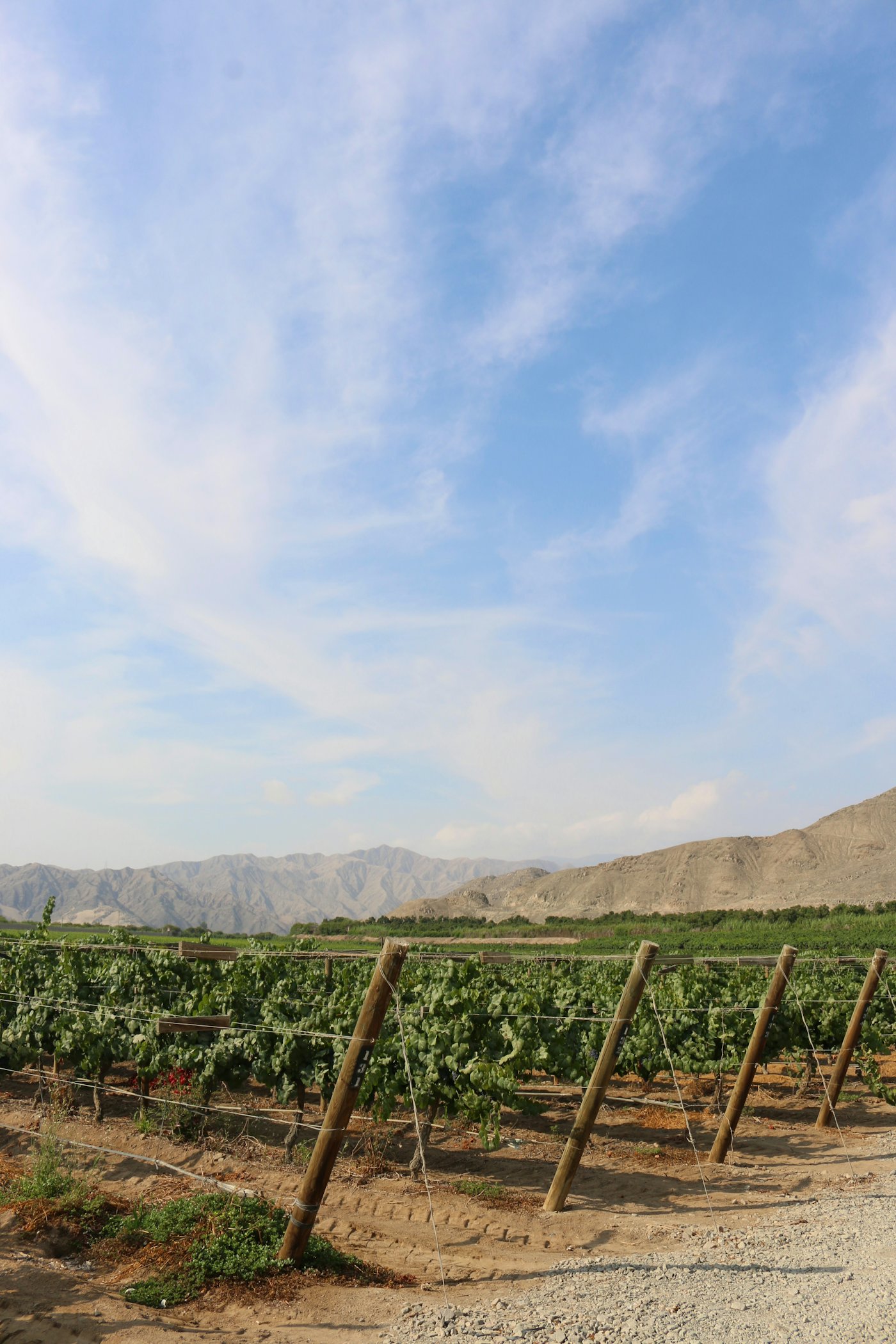
Luján de Cuyo: 3 Wineries with Tastings & Lunch
The full Mendoza day — three wineries and lunch among the vines, ~8 hours.
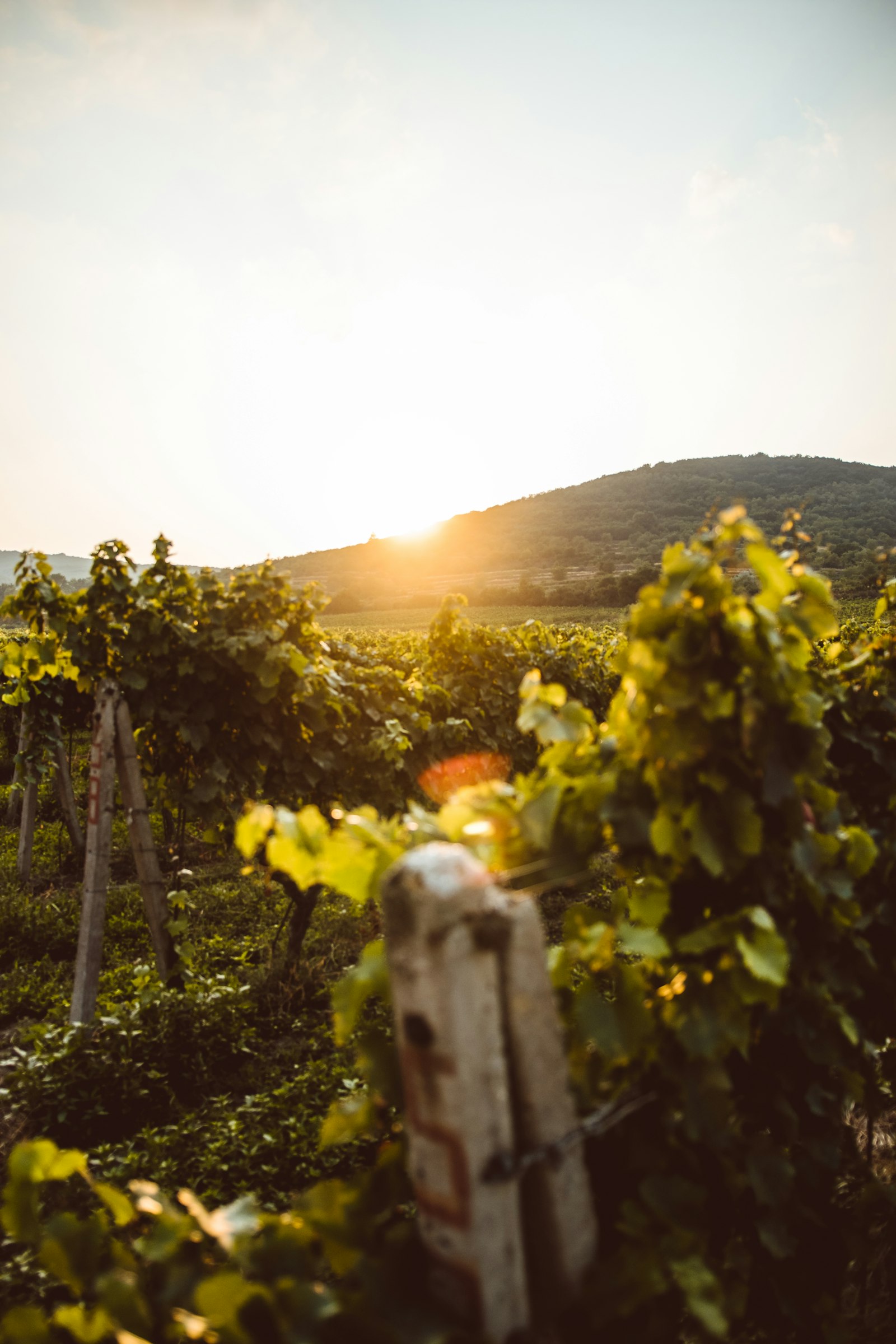
All-Day Small-Group Luxury Wine Tour with Gourmet Lunch
Three to four of the best wineries in Luján de Cuyo or the Uco Valley, a multi-course gourmet lunch with pairings, hotel pickup.
We may earn a small commission on bookings made through our partner links — at no extra cost to you. Read our full disclosure.
Quick answers
Where is the Mendoza wine region?
In west-central Argentina, at the foot of the Andes, roughly a 1 hour 40 minute flight from Buenos Aires. It is the country's largest and most important wine region.
What wine is Mendoza famous for?
Malbec above all — Mendoza is considered its spiritual home — along with Cabernet Franc, Bonarda and Cabernet Sauvignon.
Why is Mendoza wine so good?
High-altitude desert vineyards give intense sunlight (thicker skins, deeper colour) and large day-to-night temperature swings (ripeness with fresh acidity), all watered by Andean snowmelt. The result is concentrated yet balanced wine.
What are the main sub-regions of Mendoza?
Maipú (warm, historic, easiest to visit), Luján de Cuyo (the home of Argentine Malbec) and the Valle de Uco (the highest and newest, prized for elegance).
When is the best time to visit Mendoza wineries?
March for the harvest and the Vendimia festival; September to November for the best balance of weather and quiet; May for autumn colour at lower prices. Book ahead in all cases.
Do I need a reservation to visit wineries in Mendoza?
For most of the best estates, yes — especially in Luján de Cuyo and the Uco Valley. A guided tour will handle the bookings for you.