How to taste wine: the sommelier method
See, swirl, smell, sip, savor — the real five-step method professionals use, without the snobbery, with Argentine examples.
See, swirl, smell, sip, savor — the real five-step method professionals use, without the snobbery, with Argentine examples.
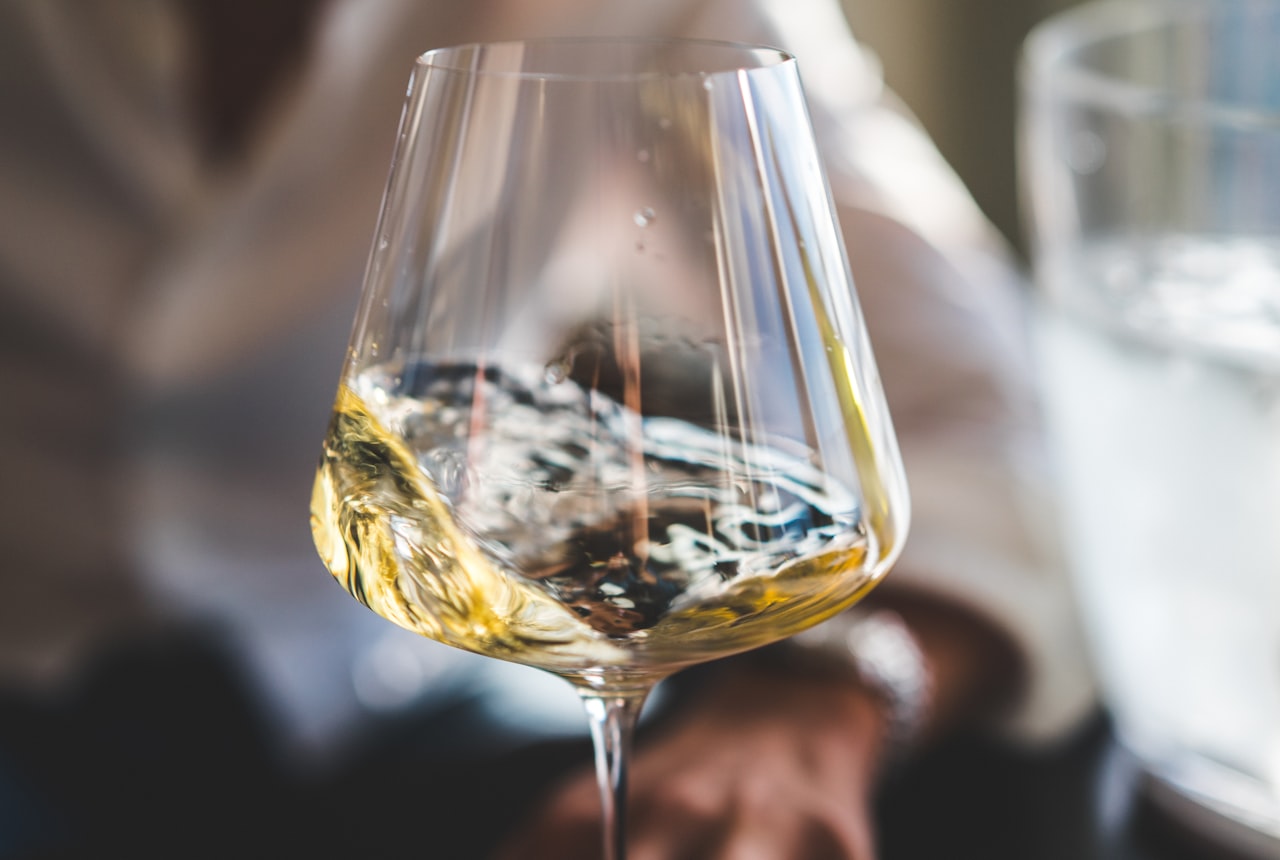
The 5 chapters
01See
Hold by the stem, tilt over something white.
Read Step 1 →Swirl
One simple motion, big payoff.
Read Step 2 →Smell
80% of “taste” happens here.
Read Step 3 →Sip
A proper mouthful — not a tiny sip.
Read Step 4 →Savor
Swallow, then wait.
Read Step 5 →Tools to Train Your Palate & Nose
Tasting like a pro is a learned skill, not an innate superpower. These industry-standard tools accelerate your aroma recognition and palate calibration:
Master Wine Aroma Training Kit (54 Aromas)
The definitive sensory library used by WSET and Court of Master Sommeliers students to decode blackberries, violet, oak, and mineral notes.
Riedel Veritas Tasting Glass Set
Featherlight lead-free crystal with laser-cut rims that deliver wine precisely across all sensory taste zones without distraction.
Vinturi Patented Red Wine Aerator
Draws in the exact ratio of air as you pour, delivering the aromatic expansion of a 60-minute decant instantly into your glass.
As an Amazon Associate, Argentina Through Wine earns from qualifying purchases · Partner Tag: argwine20-20
Taste Directly with Winemakers in Mendoza’s High-Altitude Terroirs
Put your 5-step tasting technique to the test in Uco Valley and Luján de Cuyo. Book a VIP sommelier guide, barrel tastings of unreleased vintages, and 5-course pairings with Andes mountain views.
Explore VIP Mendoza Tasting Tours →Quick answers
What are the five S's of wine tasting?
See, Swirl, Smell, Sip and Savor. Look at the wine first, swirl to release aromas, smell in short sniffs, take a proper mouthful and move it around, then swallow and notice the finish. Every wine professional uses some version of this method.
Do you really taste wine with your nose?
Largely, yes. Around 80% of what you call "taste" comes from smell, not the tongue. Your taste buds detect only five basic sensations (sweet, salty, sour, bitter, umami). Everything else — cherry, leather, smoke, vanilla — reaches you through the nose.
What do the "legs" on a wine glass mean?
They indicate higher alcohol or residual sugar in the wine — not quality. Thick legs don't mean better wine, just more alcoholic or sweeter.
How do you know if a wine is faulty?
The most common fault is cork taint (TCA), which smells of wet cardboard, damp basement or musty newspaper. Trust your nose. If a wine smells unpleasant, it likely is — at a restaurant, ask for a replacement.
What is the "finish" of a wine?
The flavor that lingers after swallowing. Three things matter: how long it lasts (short under 5 seconds, long over 30), whether new flavors appear, and whether the aftertaste is clean. Length and evolution of the finish are among the cleanest indicators of wine quality.