How to taste wine: the sommelier method
See, swirl, smell, sip, savor — the real five-step method professionals use, without the snobbery, with Argentine examples.
See, swirl, smell, sip, savor — the real five-step method professionals use, without the snobbery, with Argentine examples.
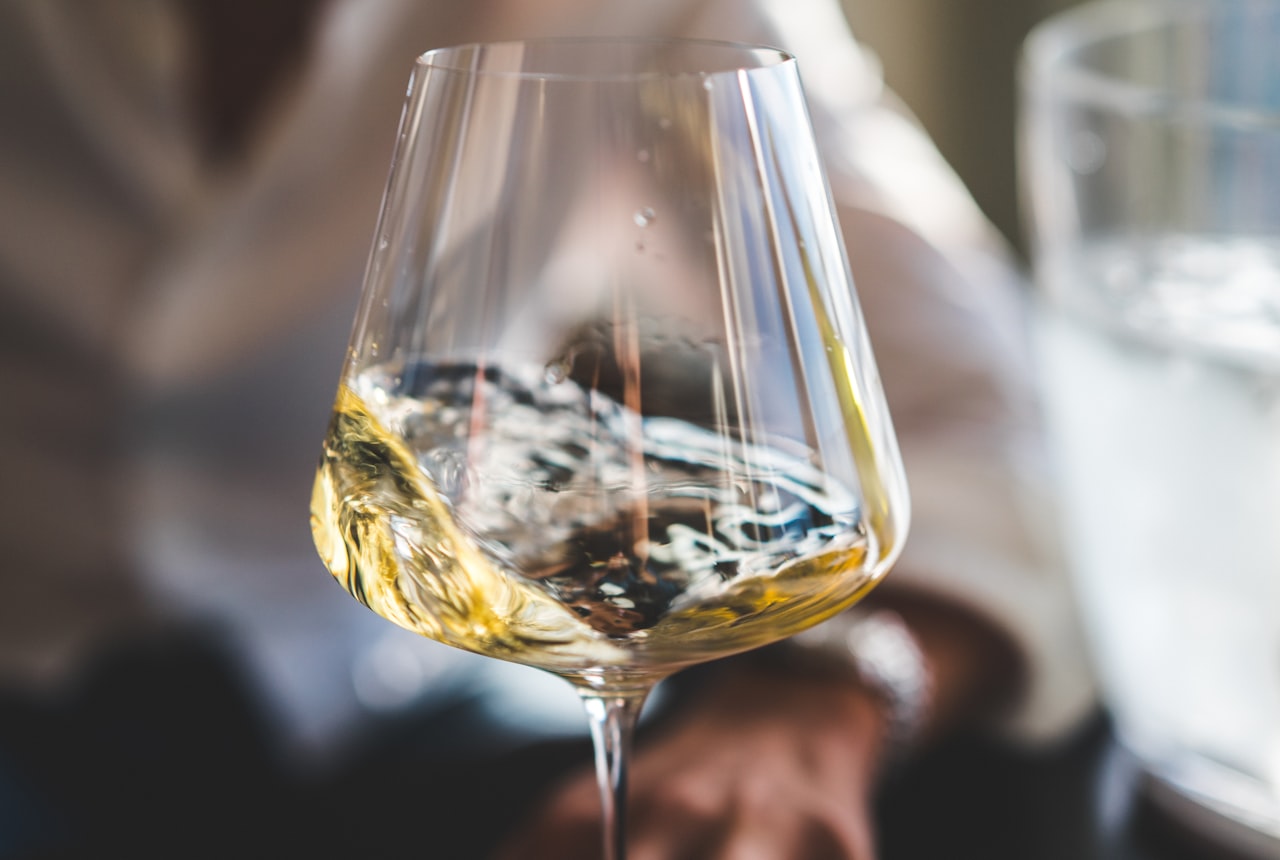
Los 5 capítulos
01See
Hold by the stem, tilt over something white.
Leer el capítulo 1 →Swirl
One simple motion, big payoff.
Leer el capítulo 2 →Smell
80% of “taste” happens here.
Leer el capítulo 3 →Sip
A proper mouthful — not a tiny sip.
Leer el capítulo 4 →Savor
Swallow, then wait.
Leer el capítulo 5 →Herramientas para Entrenar Nariz y Paladar
Catar como un profesional no es un don místico, sino una habilidad entrenable. Estas herramientas son las recomendadas por escuelas de sommelier (WSET y Court of Master Sommeliers):
Kit Maestro de Aromas del Vino (54 Aromas)
La biblioteca sensorial de referencia para identificar notas de moras, violeta, cuero, vainilla y mineralidad de montaña.
Set de Copas de Cata Riedel Veritas
Cristal sin plomo ultraligero con corte láser que proyecta el vino con total precisión sobre los receptores del gusto.
Aireador Instantáneo de Vino Vinturi
Inyecta la cantidad exacta de aire al servir la copa, logrando el efecto de una hora de decantación en segundos.
Como Afiliado de Amazon, Argentina Through Wine genera ingresos por compras calificadas · Tag: argwine20-20
Cata Directamente con Enólogos en los Terruños de Altura de Mendoza
Poné a prueba los 5 pasos de cata en el Valle de Uco y Luján de Cuyo. Reservá una guía sommelier privada, catas de barrica de añadas exclusivas y almuerzos maridados frente a la Cordillera de los Andes.
Explorar Tours Sommelier en Mendoza →Respuestas rápidas
What are the five S's of wine tasting?
See, Swirl, Smell, Sip and Savor. Look at the wine first, swirl to release aromas, smell in short sniffs, take a proper mouthful and move it around, then swallow and notice the finish. Every wine professional uses some version of this method.
Do you really taste wine with your nose?
Largely, yes. Around 80% of what you call "taste" comes from smell, not the tongue. Your taste buds detect only five basic sensations (sweet, salty, sour, bitter, umami). Everything else — cherry, leather, smoke, vanilla — reaches you through the nose.
What do the "legs" on a wine glass mean?
They indicate higher alcohol or residual sugar in the wine — not quality. Thick legs don't mean better wine, just more alcoholic or sweeter.
How do you know if a wine is faulty?
The most common fault is cork taint (TCA), which smells of wet cardboard, damp basement or musty newspaper. Trust your nose. If a wine smells unpleasant, it likely is — at a restaurant, ask for a replacement.
What is the "finish" of a wine?
The flavor that lingers after swallowing. Three things matter: how long it lasts (short under 5 seconds, long over 30), whether new flavors appear, and whether the aftertaste is clean. Length and evolution of the finish are among the cleanest indicators of wine quality.