May 28, 2026 · Vintage Reports · 3 min read

Vendimia 2026: How an El Niño Year Reshaped Argentine Wine
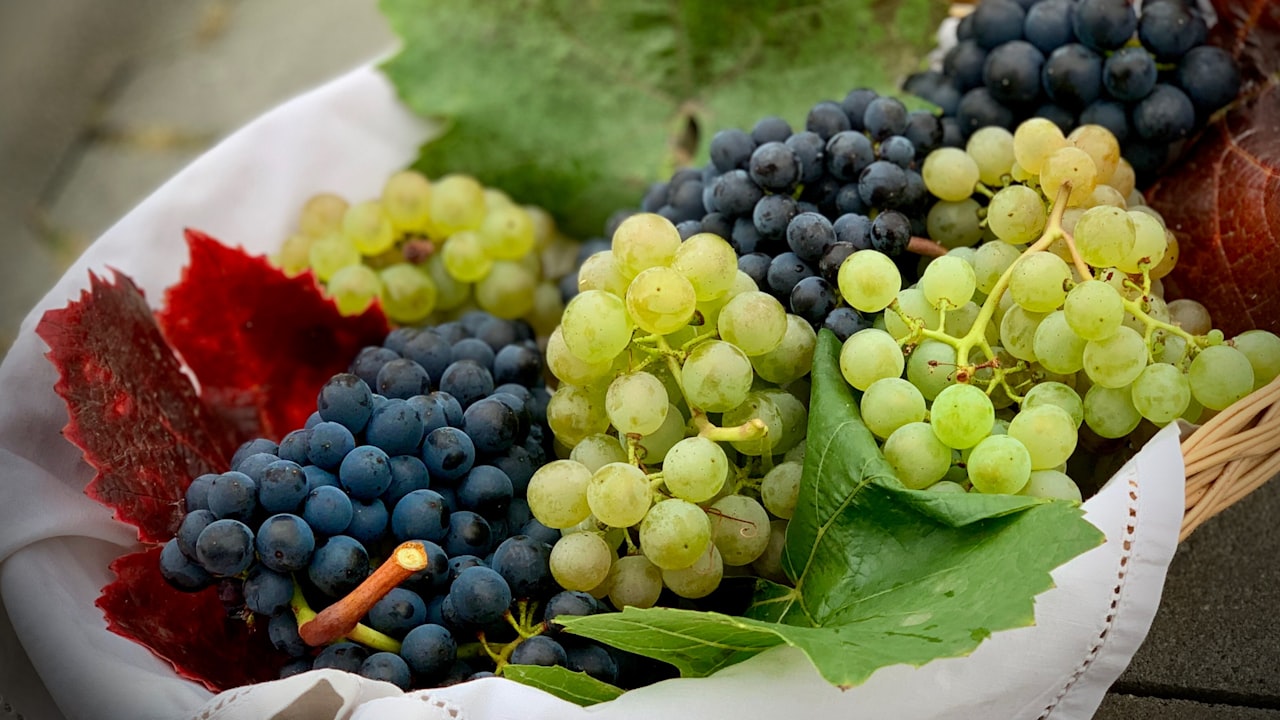
Baskets of freshly harvested wine grapes in a vineyard
Vendimia 2026 — lower yields, smaller berries, and a leaner, more European character.
Direct Answer — Key Takeaways for Wine Buyers & Travelers

🌧️ Vintage Profile: El Niño brought February rains to Mendoza, forcing an early harvest. Volume dropped 15–20%, but smaller berry sizes created intense flavor concentration, balanced alcohol, and European-style fresh acidity.

⭐ Regional Standouts: Salta enjoyed optimal dry conditions, yielding a historic vintage for floral Torrontés and high-altitude Tannat. Patagonia produced exceptionally refined Pinot Noir.

🍾 Release Dates: Fresh whites and rosés release late 2026–2027; icon Malbecs and Gran Reservas will hit cellars between 2028 and 2030.

The 2026 harvest in Mendoza wrapped up in late April, with winemakers across the Uco Valley and Luján de Cuyo reporting one of the most challenging — and potentially most interesting — vintages of the decade. El Niño brought unusually heavy rains in February, forcing many producers to harvest early. The wines that emerged show a leaner, more European character than recent vintages.

Volumes are down approximately 15–20% across the region, according to early estimates from Bodegas de Argentina. But early tastings suggest exceptional quality in the parcels that were managed correctly. “Lower yields, smaller berries, more concentrated juice,” explains Laura Catena in a recent interview. “We pruned aggressively. The wines we have in tank now are the most expressive Malbecs we've made since 2018.” Visitors can experience these private barrel tastings across top estates in our Mendoza winery tour guide.

Salta (Cafayate) had a completely different story — minimal rain impact, normal yields, and what locals are calling “a vintage of the decade” for high-altitude Torrontés and extreme-altitude Tannat. Winery owner Donald Hess of Colomé described the 2026 fruit as “transparently floral, the way Torrontés should be.”

Patagonia, also relatively dry this year, produced standout Pinot Noir. Several producers have moved to whole-cluster fermentation for the first time, a sign of growing confidence in the region's potential.

The 2026 vintage will start reaching international markets in late 2027 for early-release styles, and 2028–2029 for icon wines.

Frequently Asked Questions

Vendimia 2026 Vintage FAQ

What made Vendimia 2026 unique in Argentina?
An El Niño weather cycle brought unseasonable February rains to Mendoza, prompting an earlier harvest by 2 weeks. The resulting wines show lower yields, smaller berries, higher natural acidity, and a fresher, more European structural profile than recent warm vintages.
How did the 2026 harvest affect Mendoza wine volume and quality?
Overall grape volume is down approximately 15–20% across Mendoza. However, smaller berry size produced intense aromatic concentration and firm tannins. Proactive producers who pruned aggressively report their most expressive Malbecs since 2018.
Which Argentine wine regions performed best in 2026?
Salta (Cafayate) was largely unaffected by El Niño rainfall, delivering what winemakers describe as a vintage of the decade for aromatic Torrontés and high-altitude Tannat. Patagonia also enjoyed optimal dry conditions for vibrant, cool-climate Pinot Noir.
When will 2026 Argentine vintage wines be released?
Fresh whites, rosés, and unoaked young reds will hit international shelves in late 2026 and throughout 2027. Premium barrel-aged Reserves and icon Malbecs will arrive between 2028 and 2030.

Understanding Argentine Wine (FAQ)

What makes Argentine Malbec so unique?

Argentina's high-altitude vineyards, particularly in Mendoza's Uco Valley, receive intense sunlight and experience dramatic temperature shifts between day and night. This slows grape ripening, resulting in rich flavors, balanced acidity, and smooth tannins.

How should I plan a wine tour in Mendoza?

We recommend booking tastings at least 2-3 months in advance, especially for prestigious wineries. Focus on one sub-region per day (like Luján de Cuyo or Uco Valley) to minimize travel time and enjoy a relaxed pace.

What are the best food pairings for Torrontés?

Torrontés, Argentina's signature white wine, is highly aromatic with floral notes. It pairs beautifully with spicy Asian cuisine, fresh seafood, and traditional Argentine empanadas (especially those containing corn or cheese).